

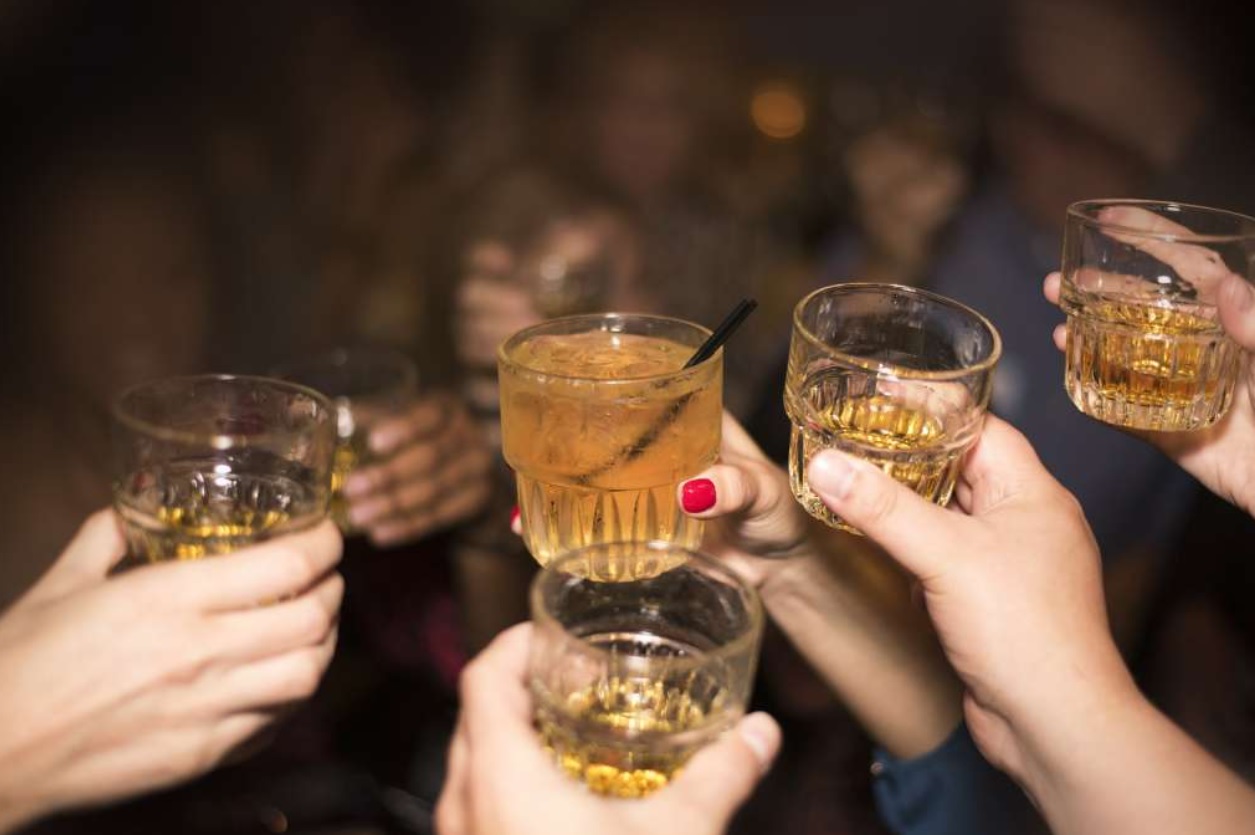
In the Philippines if we look closely at any gathering we will notice that the bottles on the table are rarely the main attraction. Whether it is a grand wedding in a provincial ballroom or a spontaneous meet-up on a wooden bench outside a neighborhood store, the alcohol serves as a secondary character. We see that for Filipinos drinking is a bridge. It is an invitation to sit down stay a while and peel back the layers of a long day. It is an act of connection where shared moments loud laughter and deep conversations shape the entire experience.
We believe that to understand the Filipino spirit one must look at how they share a drink. These traditions are not just about leisure they are vibrant reflections of deeply held values like hospitality camaraderie, and community. As we explore the different drinking practices across the islands we find that every glass raised is a story of how people choose to belong to one another.
The Circle of Tagay and the Bond of the Spirit
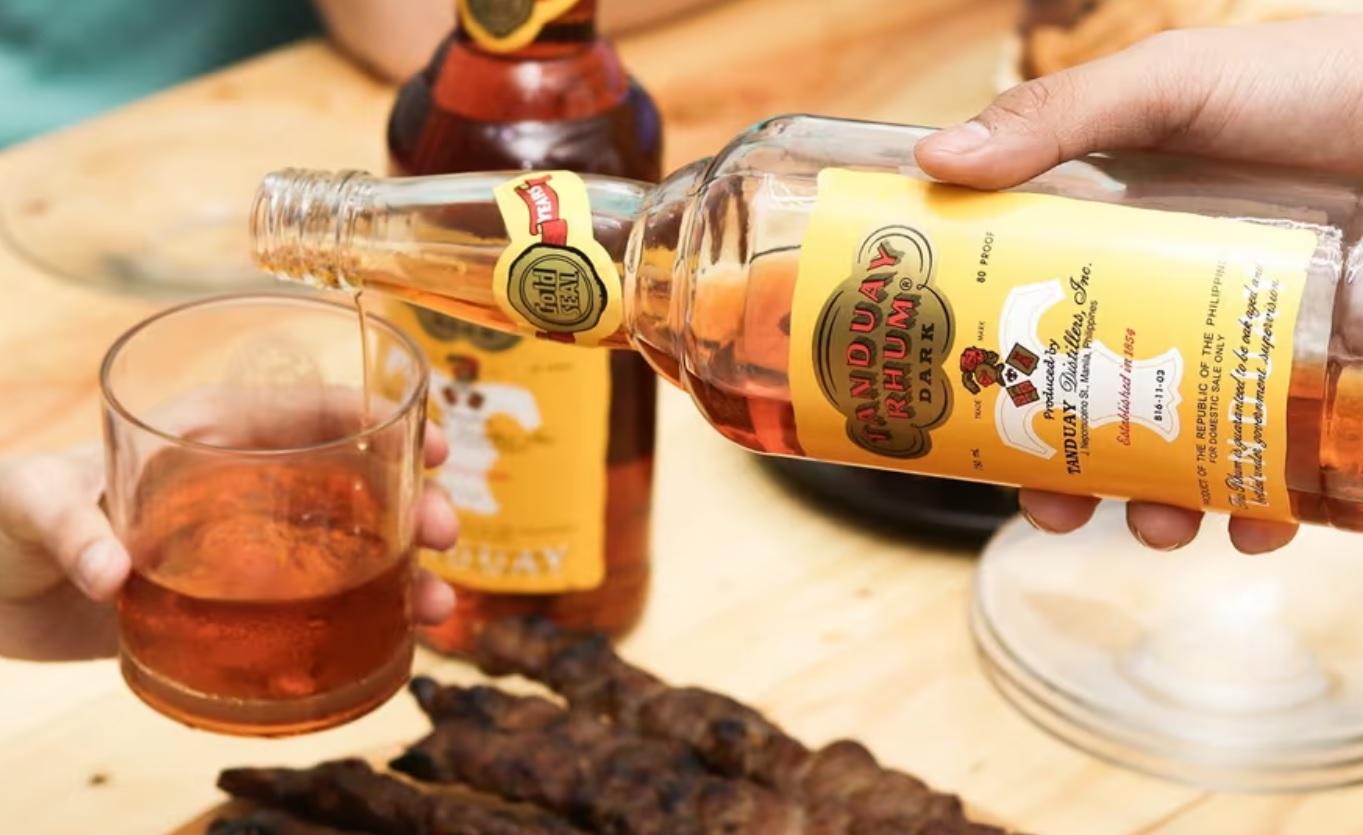
When we observe a typical Filipino drinking session, the first thing that strikes us is the absence of individual glasses. Instead, we see the Tagay. This is perhaps the most recognizable and fundamental drinking practice in the country. In this system, the group uses only one glass. One person, known as the Tanggero acts as the pourer and ensures the rhythm of the session remains steady.
They pour a serving, hand it to a person in the circle, and that person drinks it before passing the glass back to be refilled for the next person. We see this cycle repeat for hours. This practice is a physical manifestation of equality and trust. Because everyone drinks from the same vessel, there is no room for hierarchy. The wealthiest man in the village and the humblest laborer sit side by side, sharing the same air and the same glass.
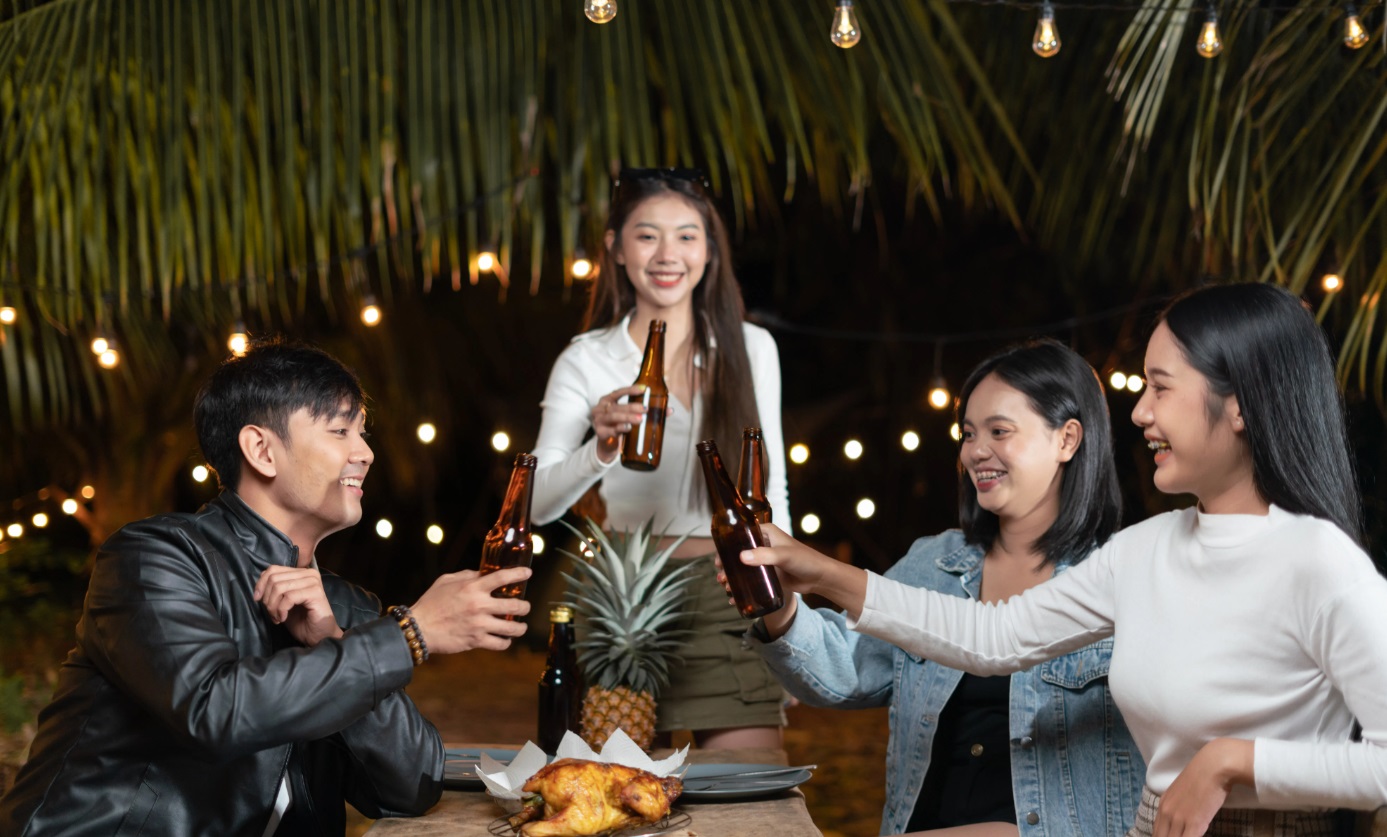
This shared experience creates a profound sense of belonging. In our observations, we have noted that the Tagay functions as a social glue. It reinforces the concept of Pakikisama, one of the Pinoy cultural treasures about the art of getting along with others to maintain group harmony. When they are in the circle, they are expected to move with the group’s flow. We often see that refusing a turn is not merely about saying “no” to a drink it is often perceived as stepping away from the shared moment itself.
To decline without a valid reason can be seen as a slight against the group’s unity. It is an inclusive practice where the goal is to keep everyone present and engaged. If someone is falling behind or feeling the effects of the alcohol too strongly, the group often adjusts, showing a level of care and mutual responsibility that defines Filipino social life.
Beyond the mechanics of the Tagay, the choice of drink often tells us where we are in the Philippines. We see a rich variety of local spirits that are deeply tied to the land and everyday life. In the coconut-rich regions of Quezon and Laguna, they take pride in Lambanog a potent coconut arrack often referred to as Philippine tequila. In the Visayas and Mindanao we find them gathered around containers of Tuba a sweet and earthy palm wine that turns a deep red when mixed with mangrove bark locally known as Tungog an ingredient also used for fermentation process. These are not luxury items they are products of the earth, often fermented in backyards and shared freely among neighbors. Even the local beers, which are a staple in every corner of the country, are treated with the same communal respect. These drinks are accessible to everyone, cutting across social classes. We see that whether it is a high-end fermented spirit or a cheap bottle of gin from the corner store the value remains the same: the drink is the excuse to bring people together.
Rituals of the Roadside and the Modern Table
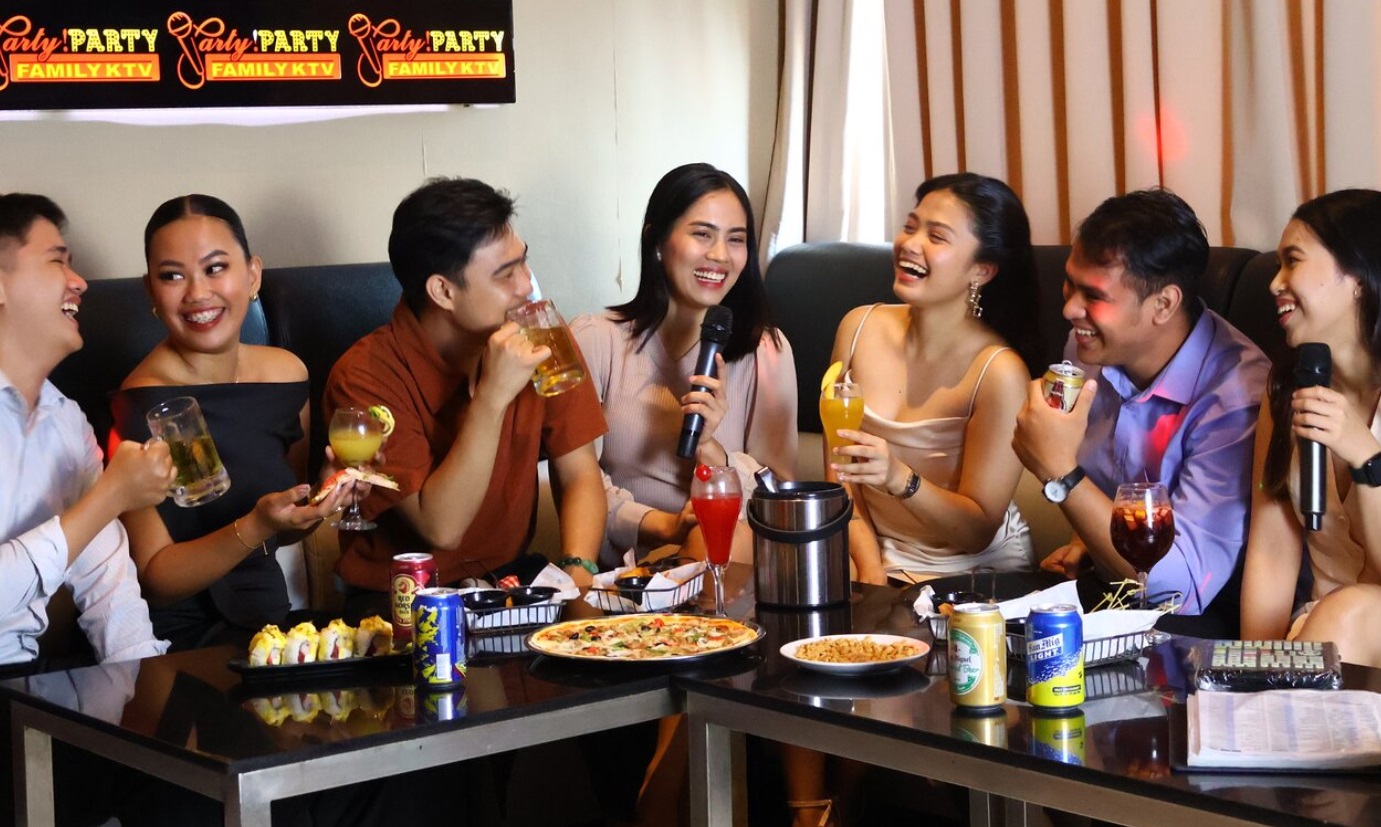
As we look deeper into these gatherings, we notice that there are unspoken rules and rituals that keep the peace and show respect. Before the first glass is even poured, it is common to see someone spill a few drops of the drink onto the ground. This is an offering to the spirits or the ancestors, a gesture that acknowledges those who came before. It is a quiet moment of reverence before the noise of the celebration begins. We also see a clear hierarchy of respect when it comes to the order of drinking.
They often wait for the elders or the guest of honor to take the first sip. This maintains harmony and reinforces the social bonds that hold the community together. Humor also plays a massive role; the “pulutan” or the snacks shared during the session are often accompanied by Kantiyawan or friendly teasing. This lightheartedness prevents the gathering from becoming too heavy, even when the conversations turn to serious life struggles.
These drinking environments are almost always open and communal. We rarely see Filipinos drinking in isolation. Instead, they occupy public spaces to invite the community in. At times, a passerby might be called over with a simple Tagay Muna (Have a drink first!), embodying the legendary Filipino hospitality.
These spaces encourage endless storytelling. We see that as the night progresses, the transition from casual jokes to meaningful, soul-baring conversations is fluid. The environment allows for a vulnerability that might not happen in more formal settings. It is in these moments, under the hum of a karaoke or videoke machine or the quiet chirping of crickets in the province, where memories are solidified and bonds are hardened.
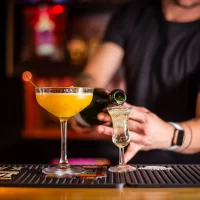
In recent years, we have observed how younger generations and urban settings are adding new layers to this culture. In cities like Manila and Cebu, the traditional Tagay is evolving. We see the rise of modern bars, nightclubs, and the growing popularity of craft cocktails and artisanal spirits. Social media has also influenced how they document their nights out, with aesthetics and presentation becoming more prominent. However, we do not see these modern practices as opposites to tradition. Even in a sleek, air-conditioned bar, the core values remain intact. They might each have their own glass now, but they still share Pulutan and they still prioritize the conversation over the cocktail. The “bucket of beer” has become a modern alternative to the shared glass, allowing a group to share a set of drinks at a fixed price, maintaining that sense of collective consumption. The setting has changed, but the intent to be together is as strong as ever.
An Enduring Legacy of Connection
As we reflect on the vast landscape of Filipino drinking cultures, we are reminded that the liquid in the glass is merely a catalyst. From the mountain provinces to the coastal towns, the act of drinking remains one of the most honest expressions of Filipino identity. It is a practice rooted in the belief that no one should have to carry their burdens or celebrate their wins alone. We see that every toast, whether made with a plastic cup of Tuba or a crystal glass of craft gin, reflects a shared identity and a deep-seated need for belonging. These traditions continue to thrive because they are adaptable; they grow with the people while staying firmly rooted in the community.
The beauty of this culture lies in its resilience. Despite the fast pace of modern life and the many changes in how people socialize, the Filipino table remains a place of refuge and connection. It is a space where the noise of the world is filtered through laughter and the steady rhythm of a shared glass. We believe that as long as there are stories to tell and friends to hear them, the Filipino toast will always be about more than just the drink. It will always be a celebration of the person sitting next to you. In every Tagay shouted across a table, we hear a promise of companionship, a gesture of respect, and a testament to a culture that values the heart over the bottle. It is a tradition that continues to flow, bringing people together one glass at a time.
–
Featured Image by DrinkCollectiv