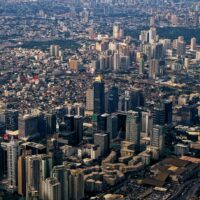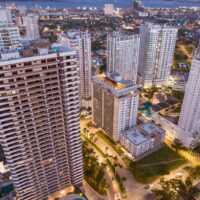


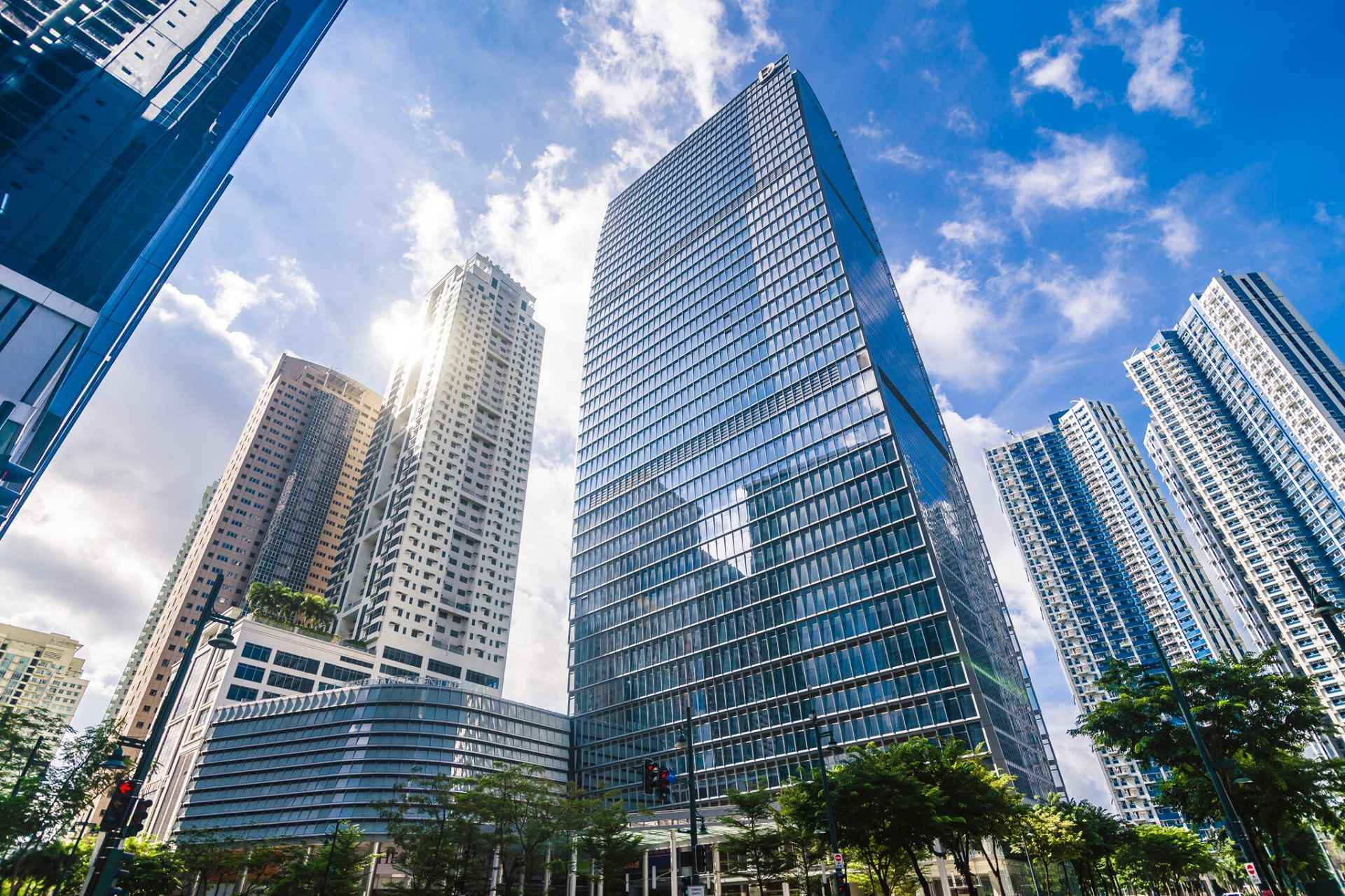
Growth in the Philippines is now moving beyond traditional city centers. Makati and Bonifacio Global City have long set the benchmark for modern urban living with walkable streets, contemporary offices, and vibrant lifestyle spaces, demonstrating the possibilities for well-planned business districts in the country.
Today, a new question is taking shape. Where will the next urban hotspot rise? Growth is no longer limited to Metro Manila, as new roads, transport links, and regional plans continue to alter the map. With these projects advancing, opportunities arise for new cities to play a larger role in the country’s future.
Moving Beyond Established Business Districts
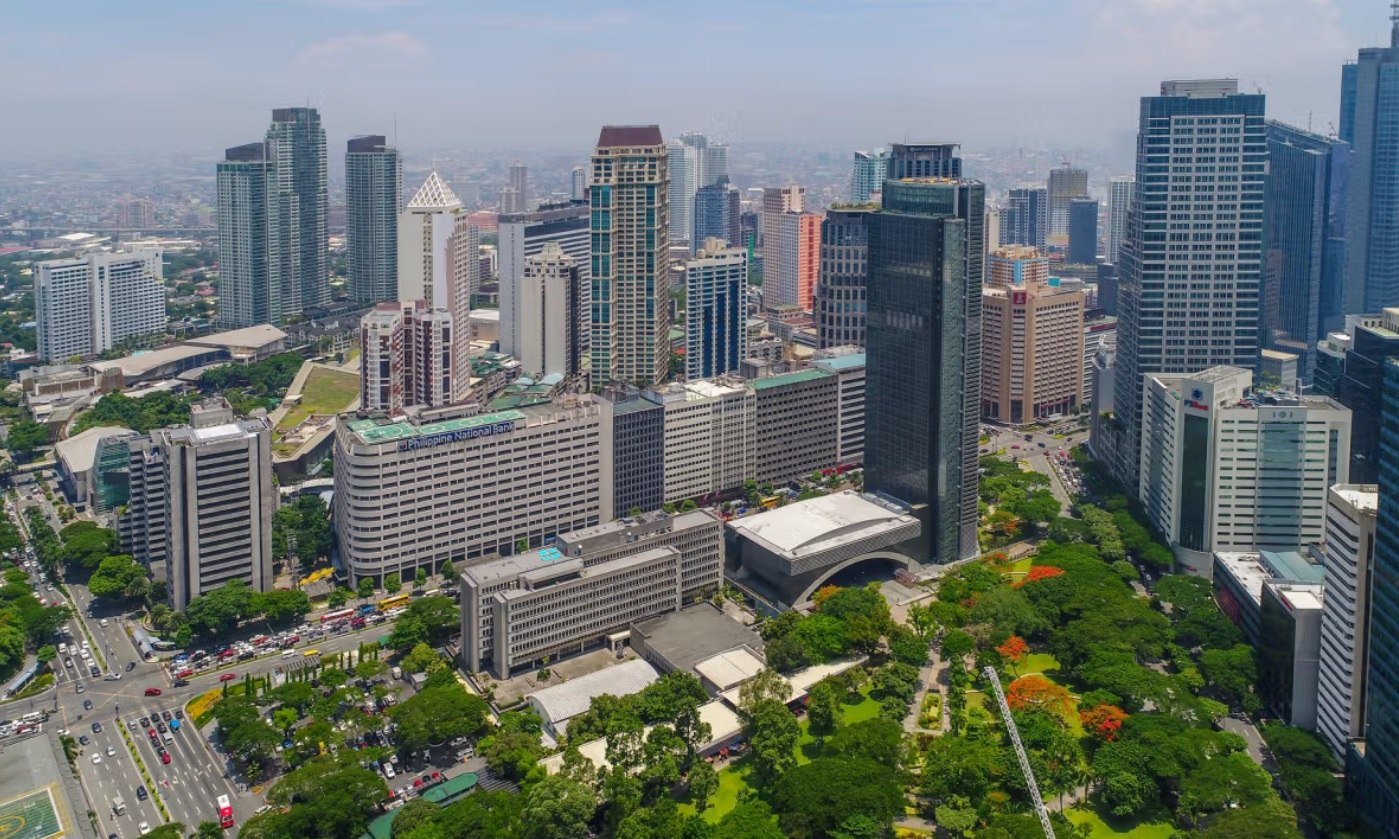
Metro Manila’s main business districts remain active and important, yet their growing limitations are hard to overlook. The tightening of space, persistent traffic, and soaring land and property prices hinder new development in these established areas.
Recognizing these barriers, developers and investors have begun tackling the issues head-on. The challenges of expanding in the old districts only increase over time, so even businesses now weigh options outside traditional locations, seeking places to grow with less resistance.
This shift creates a clear opening for new opportunities. When older districts reach their limits, new ones begin to rise. Importantly, it is not about replacing Makati or Bonifacio Global City, two of the top business districts in the Philippines, but about building new spaces that can support future demand. The focus has moved toward places that offer more room, better access, and long-term potential.
New Growth Corridors Take Shape
As attention moves outward, several regions begin to stand out. In particular, provinces near Metro Manila now benefit from large infrastructure projects. Highways, expressways, and transport systems continue to improve travel time between cities, supporting this shift in focus.
Better connectivity plays a key role in this change, as faster movement between home and work enables more flexible working locations. Businesses no longer need to remain in one central area; instead, they can set up in nearby provinces while maintaining their connections to Metro Manila.
This shift also supports a broader goal, which is that the country continues to pursue more balanced regional growth. By spreading development rather than concentrating business in one place, this approach helps reduce pressure on Metro Manila and creates opportunities elsewhere.
Early signs of this movement are now visible with new townships appearing in nearby provinces. Office, residential, and retail spaces combine in mixed-use developments, aiming to form complete communities rather than isolated business centers. This trend is reshaping how people think about urban growth.
Pampanga Steps Forward as a Strong Contender
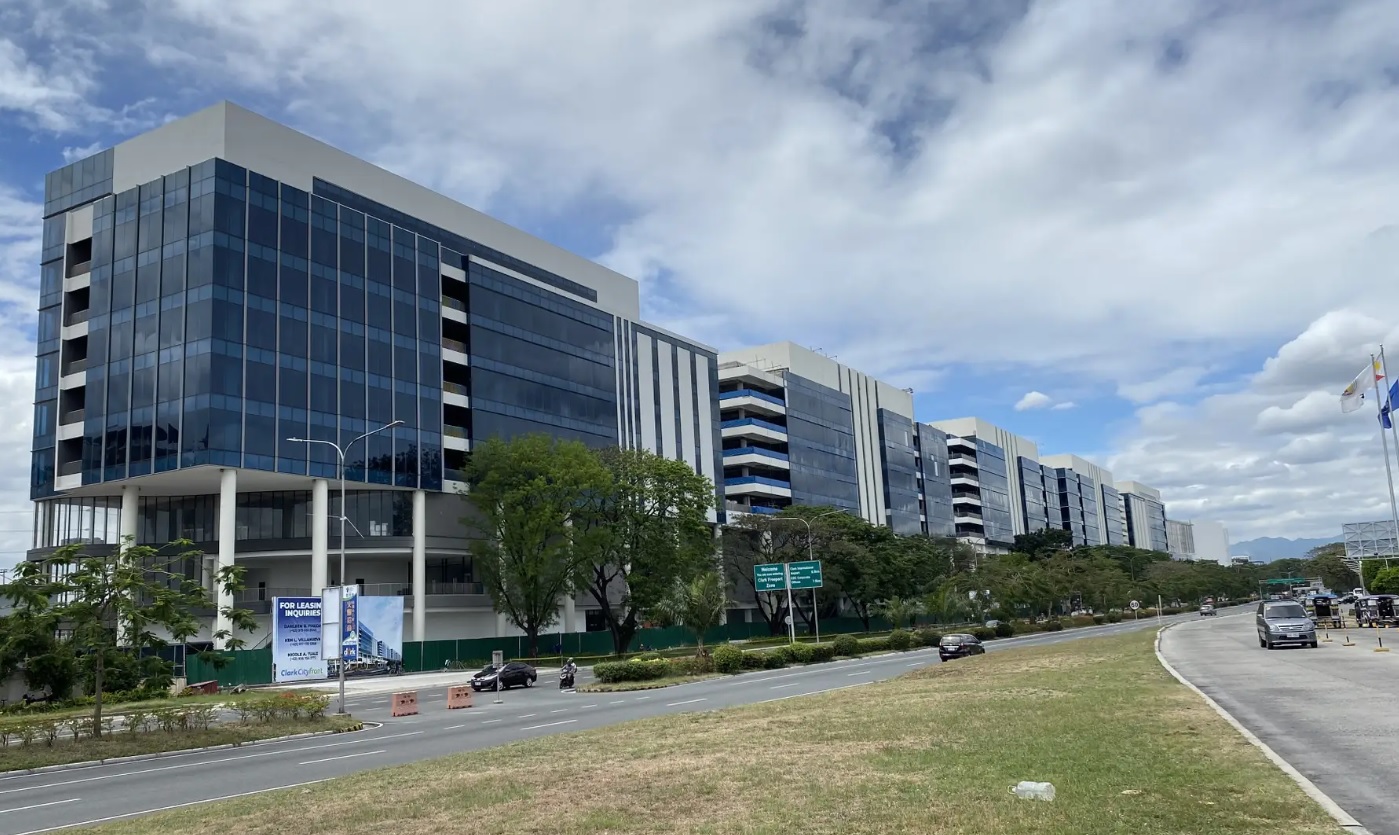
Among these emerging areas, Pampanga stands out. The province has begun positioning itself as a future urban hub. Plans for a modern business district have attracted attention, with many comparing the vision to that of Bonifacio Global City.
This planned district offers much more than just office space. Its goal is to blend business, lifestyle, and residential areas into a single, vibrant space. People should find everything they need, from work, living, to leisure, without traveling far.
Infrastructure plays a crucial role in this vision, as new highway developments continue to enhance access to Pampanga. With travel times between the province and Metro Manila becoming shorter and more reliable, businesses and residents alike find the area increasingly attractive.
Distinct advantages set this location apart. Pampanga lies close enough to Metro Manila for strong connections, while staying distant enough to avoid the capital’s daily pressures. Developers now seek regions like this, with space that is more available, planning is less constrained, and the balance is clear.
As these projects move ahead, Pampanga exemplifies how a province can evolve into a modern urban center. This showcases a shift towards long-term planning and improved use of space in the country’s development approach.
Why Developers Continue to Look North
Northern provinces are attracting strong interest from developers. Pampanga leads this movement, but it is not alone. Other nearby areas also benefit from the same factors that drive growth.
Land availability is one of the biggest reasons for this trend. Developers, needing ample space for large-scale projects, face increasing difficulty finding it in Metro Manila, while northern provinces offer larger areas that enable better planning and expansion.
Costs further influence decisions, as lower land prices make it easier to launch new developments. This flexibility permits a wider mix of spaces, from residential units to commercial centers.
Infrastructure already fosters this growth, with major roads connecting these provinces to Metro Manila and other regions. The presence of Clark International Airport adds another layer of access, linking the area to both local and international travel, which makes the region more appealing for long-term investment.
Shifts in urban living preferences are becoming clear. Many people seek communities that feel less crowded and more balanced. While modern comforts attract them, they also want movement and ease. Northern provinces thoughtfully provide such opportunities.
A New Direction for Urban Living
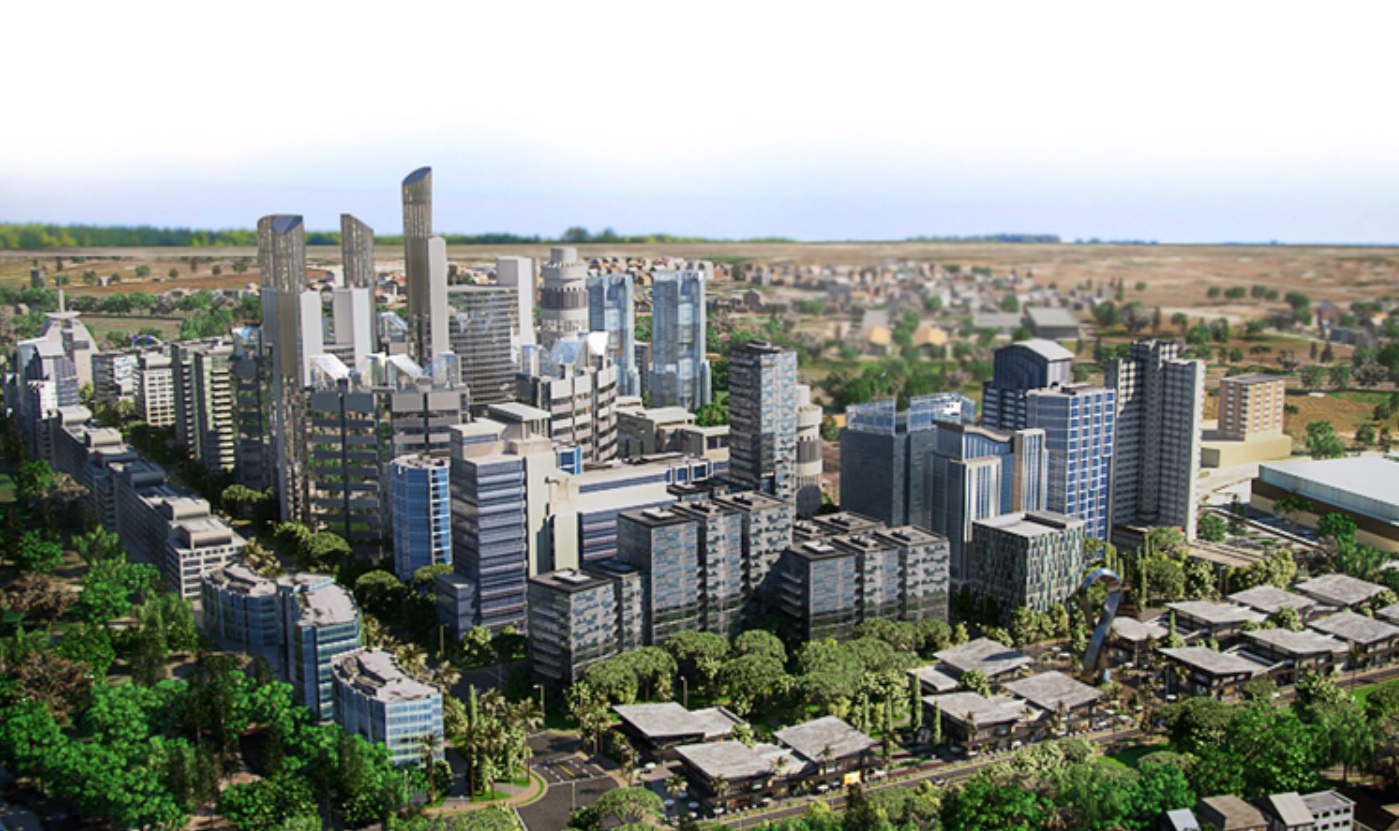
Emerging business districts trigger transformation in city life. Great distances no longer separate work, home, and leisure. Instead, planned communities integrate these functions, simplifying day-to-day routines.
This shift also supports a more balanced pattern of growth. Instead of one city carrying most of the demand, several areas begin to share it. This helps reduce strain on Metro Manila while giving other regions the chance to develop.
Communities benefit from this change as well. New projects bring jobs, services, and better infrastructure. They create spaces where people can build their lives without needing to move into crowded city centers.
The idea of an urban hotspot is also evolving. No longer defined solely by tall buildings or busy streets, the concept now emphasizes how well a place is planned, which is its ability to support both business and daily living sustainably over time.
What This Means for the Future of Urban Living
The next urban hotspot in the Philippines will not materialize overnight but will require steady planning, robust infrastructure, and a clear vision. Pampanga already demonstrates strong signs of this shift, reflecting a broader movement across the country.
We now see a future where growth spreads across regions. New cities rise with a better balance, offering more space and a higher quality of life. This change does not diminish established districts. Instead, it adds new options that support the country’s continued progress.
The real question extends beyond location. How will rising hotspots shape lives and work patterns? New spaces, if approached with care, can provide more than convenience. They promise time, room to breathe, and a better way to experience each day.
Read more Real Estate articles for more interesting topics.
–
Featured Image by Asia Property Awards