


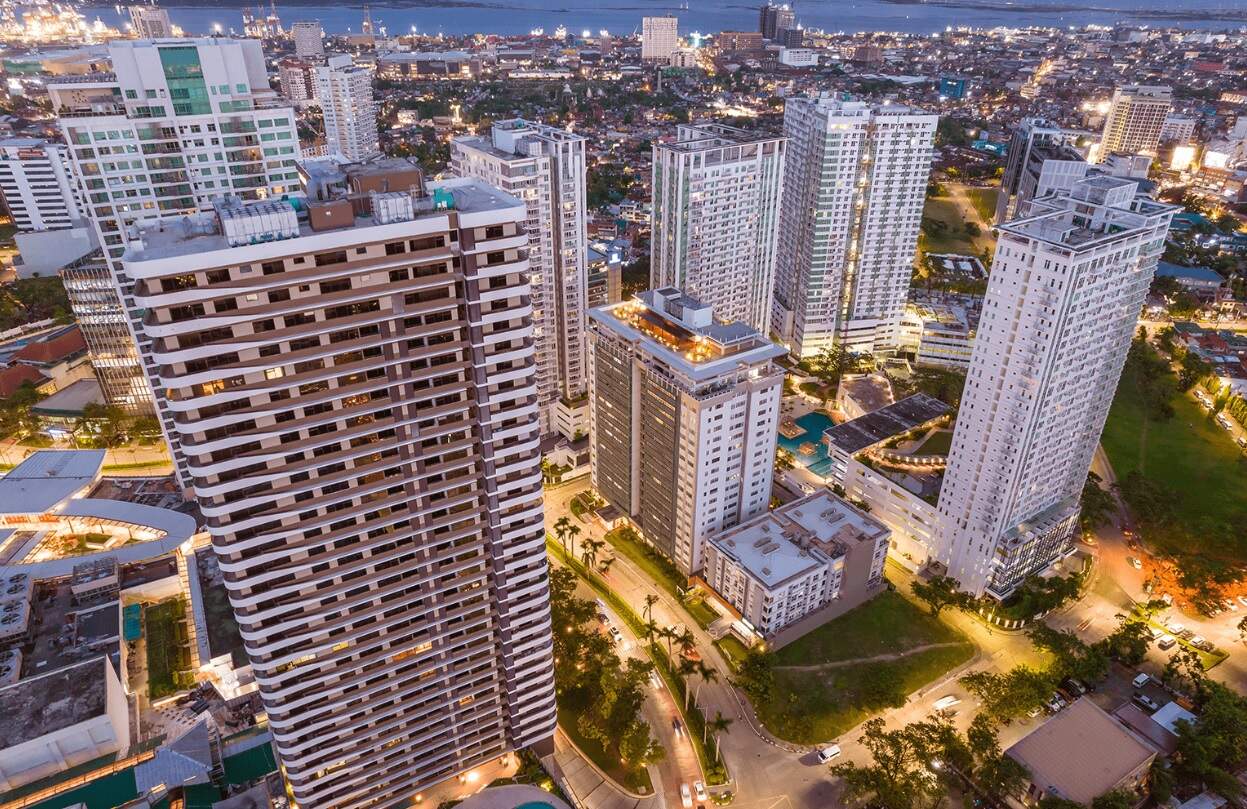
Metro Manila is currently facing an oversupply of condo units, with data showing tens of thousands of unsold units, a slowdown in new launches, and a shift in the real estate market. While this may look alarming for developers and investors, it also offers unique opportunities for those who understand the evolving dynamics of real estate.
Everything You Need to Know about the Surplus
Data shows that at the end of 2024, Metro Manila had about 70,000 to 74,000 unsold condominium units. This is according to Colliers Philippines, cited by Forbes and BusinessWorld Online. This surplus has a combined value of ₱158 billion, which is a 77% increase from 2023’s ₱89.6 billion.
At these current numbers, the market projects it would need an estimated 8.2 years to absorb this oversupply. Meanwhile, about 38 months of inventory still needs to be sold, with 81,400 units across 622 active residential projects.
A Forbes article revealed that this oversupply began after the government banned offshore gaming operations in the country. Due to this, the country’s economic growth slowed, with developers left with tens of thousands of unsold units by the end of 2024.
Where the Surplus Is Concentrated
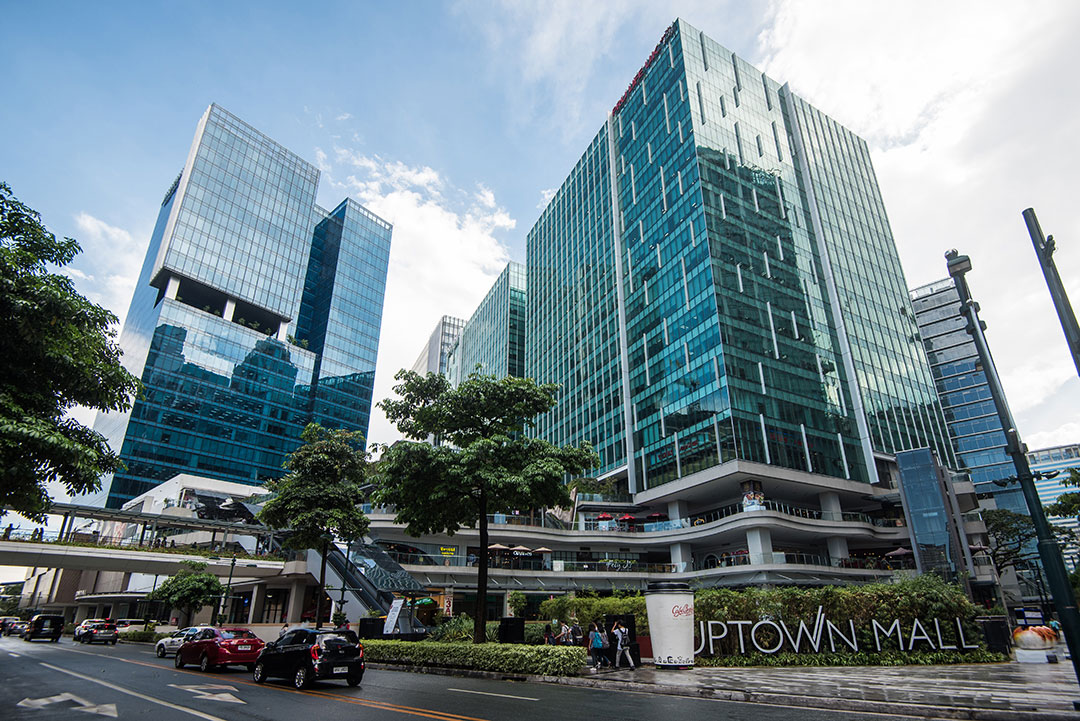
Geographically, the reported oversupply is concentrated in the following areas: Quezon City, Pasig, Manila, and Paranaque, which account for 57% of all unsold condo units. These regions have experienced an aggressive push for development over the past few years, experiencing a condominium boom. However, these developments are now facing lagging absorption rates.
Prime locations like Bonifacio Global City (BGC), Ortigas, Rockwell, and Makati – some of the ideal locations for condo living in the Metro, continue to experience strong interest from local and foreign buyers, thanks to better infrastructure and closeness to business hubs.
Regarding the types of condos, the mid-priced segments (priced between ₱3.6 million and ₱12 million) comprise most of the oversupply. Data shows this price range typically attracts OFW investors and young professionals.
However, the luxury segment only comprises 5% of unsold inventory, revealing that premium properties in Metro Manila are still in demand.
Related article: Why Manila is The Fastest-Growing Market in The World for Luxury Real Estate
How Developers Are Coping
Property developers have started pulling back in the mid-price condo sector in response to the data. In the first quarter of 2025, a drop of 77% in condo launches occurred, with only 1,347 units introduced, believed to be the lowest figure in the last 5 years.
To help sell existing units, developers started introducing flexible payment schemes such as significant upfront discounts, extended down payment periods of up to 72 months, and deferred payment plans of up to 120 months. DMCI Homes, which is one of the top real estate developers in the country, is offering buyers a rent-to-own option to make their projects more affordable, often requiring minimal upfront costs.
Focus on premium projects is also seen, where profit margins are higher and demand remains stable. While the market may seem like a red flag, industry leaders see it as an opportunity to recalibrate their offerings.
Unique Opportunities for Investors and Buyers

While an oversupply worries developers, it offers a unique environment for investors and buyers. In 2025, fewer launches are expected, with only about 86,000 new units projected for the year. With less demand for mid-priced units, competition among buyers is seen to ease, giving them more negotiating power.
Market forecasts show that Metro Manila’s total construction will only grow by more than 7% throughout 2027. This tempered growth means the market will stabilize after years of aggressive development. Though vacancies are currently at 3%, it is projected to peak at 26% by the end of 2025. This number offers a window of opportunity for buyers to purchase properties to get more traction.
Long-term government projects such as the MRT-4, MRT-7, and the North Commuter Railway are believed to boost connectivity and drive demand for oversupplied areas. With better infrastructure, now is the time for investors and buyers to make wise property purchases in anticipation of future rising demands in the condominium market.
Turning the Condo Surplus into a Strategic Advantage
Metro Manila’s condominium surplus may seem like a red flag, but it offers developers, investors, and buyers unique opportunities. On one hand, developers can reconfigure their investments to premium projects and provide flexible payment terms that can help them boost sales. On the other hand, buyers and investors have a rare chance to access better deals and a broader selection of units.
Today’s surplus poses tomorrow’s opportunities for a long-term outlook, allowing buyers and investors to make smart, reliable decisions.
–
Featured Image by Colliers