

In the ever-evolving landscape of global communication, the Philippines has long been a powerhouse of linguistic creativity. As of the March 2025 update, the Oxford English Dictionary (OED)—widely considered the most authoritative record of the English language—formally welcomed 11 new Filipino words and senses into its prestigious pages. This milestone continues a decade-long trend of Filipino terms permeating worldwide discourse, proving that “Philippine English” is no longer just a local dialect, but a vital contributor to the global lexicon.
The OED is more than just a list of definitions; it is a historical record of how humans bridge gaps in understanding. Regarding the inclusion of foreign terms, the OED’s editorial team notes: “Often, when we talk about untranslatable words, what we are actually talking about are words that have been lexicalized in one language but not in others, which is what makes them particularly intriguing.” For bilingual speakers, these words offer an elegant solution to “lexical gaps”—the moments where English lacks a specific term for a universal feeling. By borrowing from Filipino, the English language becomes richer, more nuanced, and better equipped to describe the human experience.
According to data from the OED’s March 2025 update, these additions join a growing collection of over 200 Filipino-derived words that have been officially recognized since the dictionary’s inception. Here are seven of the most popular Filipino terms that have recently captured the world’s attention.
1. Pinoy
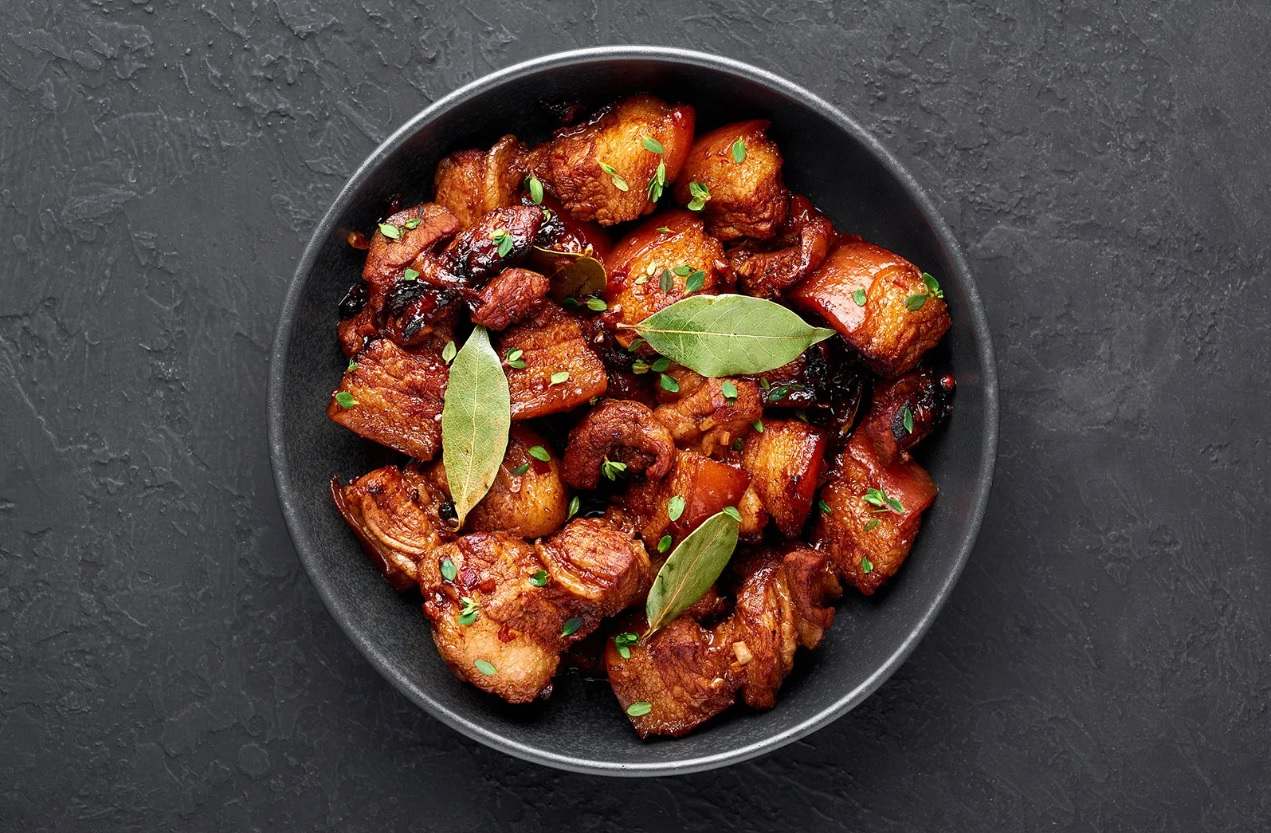
What the OED says: “Of, belonging to, or relating to the Philippines or Filipinos.”
While “Pinoy” has been in the OED as a noun for years, its recent elevation as a formal adjective cements its status in global English. Historically, various terms have been used by foreigners to describe people from the archipelago, some of which carried derogatory undertones. “Pinoy,” however, is a term of endearment and self-identification. It is popular because it is inherently respectful of heritage and honors the Tagalog roots of the identity.
English Context Example: “The local film festival showcased a diverse array of Pinoy talent, highlighting stories from Manila to Mindanao.”
2. Kababayan
What the OED says: “A fellow Filipino; one’s fellow Filipino. Also: a person from the same Philippine region or town as another.”
The word kababayan distills the profound experience of “home” into four syllables. It is a word that transcends geography; a Filipino in New York can meet someone from a different province and still call them kababayan. This sense of instant kinship is a core Filipino value that the OED now recognizes as a distinct social concept. Interestingly, the OED also notes its second meaning: a small, dome-shaped muffin that resembles a traditional hat.
English Context Example: “While traveling in London, I was delighted to meet a kababayan who helped me navigate the city’s complex train system.”
3. Gigil
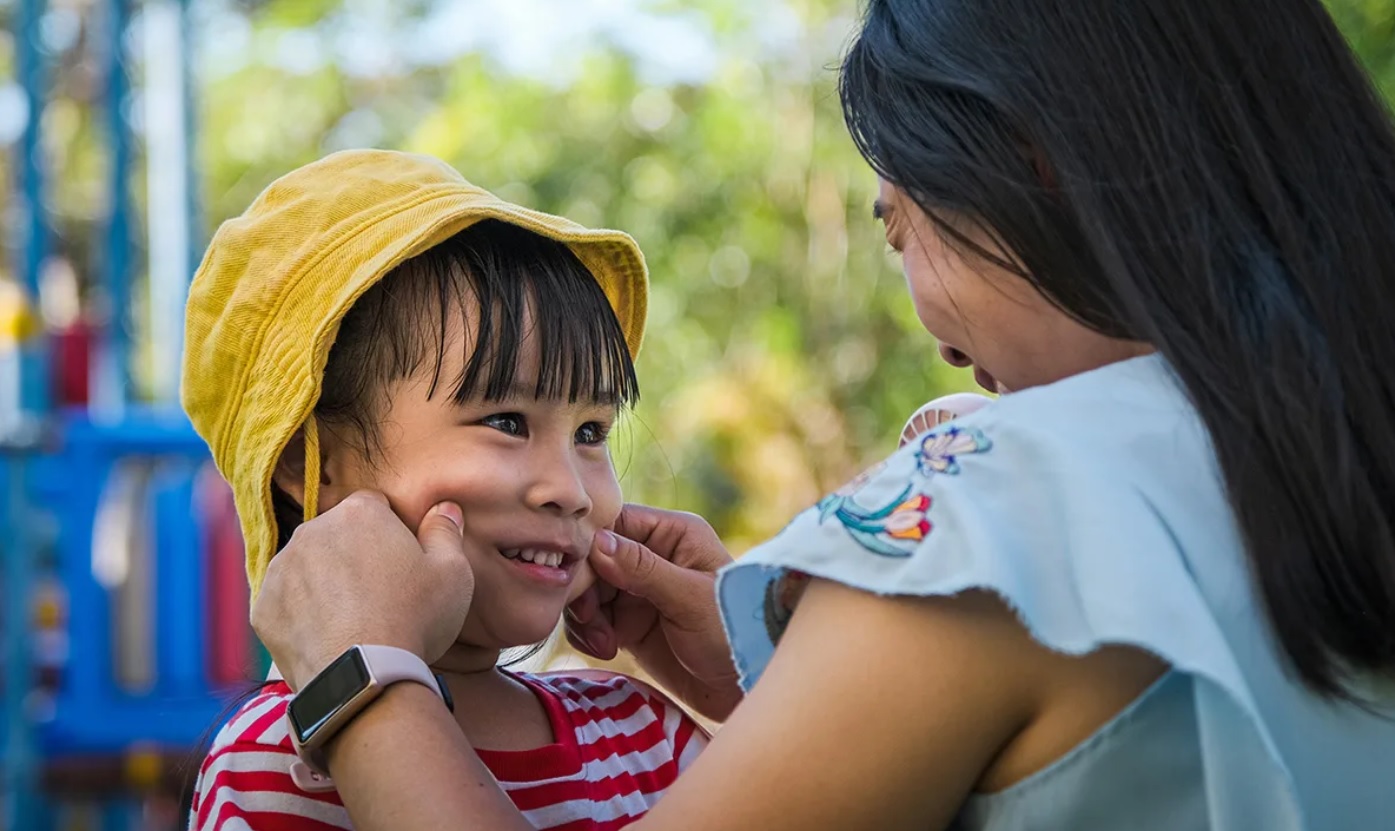
What the OED says: “An intense feeling caused by anger, eagerness, or the pleasure of seeing someone or something cute or adorable, typically physically manifested by the tight clenching of hands, gritting of the teeth, trembling of the body, or the pinching or squeezing of the person or thing.”
Gigil is perhaps the ultimate example of an “untranslatable” word. While psychologists call it “cute aggression,” that phrase lacks the visceral, physical energy of the Filipino term. Whether it’s the urge to pinch a baby’s chubby cheeks or the gritting of teeth in frustration, gigil describes a universal state of being overwhelmed by emotion. Its inclusion follows the 2016 addition of kilig, further proving that Filipinos have a unique vocabulary for the heart’s most specific tremors.
English Context Example: “I felt so much gigil when I saw the new golden retriever puppy that I just wanted to squeeze it!”
4. Sando
What the OED says: “A sleeveless garment worn under or instead of a shirt.”
While Americans might say “tank top” or “undershirt,” and the British might say “vest,” the word sando encapsulates the sheer versatility and necessity of the garment in a tropical climate. It is important to note that this is distinct from the Japanese “sando” (short for sandwich). In the Philippines, the sando is the unofficial national uniform for both lounging at home and surviving the Manila heat.
English Context Example: “It was so humid outside that he decided to just wear a sando and shorts for the quick trip to the market.”
5. Videoke

What the OED says: “A form of entertainment popular in bars, at parties, etc., in which a person sings the vocal line of a popular song… while following the lyrics which appear on a screen.”
A portmanteau of “video” and “karaoke,” videoke is more than just a machine; it is a cultural institution. While karaoke exists globally, the Filipino videoke experience is distinct for its communal, high-energy, and often competitive nature (complete with the dreaded scoring system). By adding this word, the OED acknowledges that the Philippines has perfected and exported its own unique brand of musical celebration.
English Context Example: “The birthday party wasn’t complete until we rolled out the videoke machine and started a 90s power ballad marathon.”
6. CR (Comfort Room)
What the OED says: “A toilet; a lavatory; cf. comfort room n.”
In many parts of the world, a “restroom” is where you go to… well, rest. In the Philippines, the “comfort room” (CR) is where you find relief. Filipinos have used this initialism so consistently that it has become the standard term across all social classes. The OED’s inclusion of “CR” validates a linguistic quirk that has puzzled tourists for decades but makes perfect sense to anyone who has ever sought “comfort” in a time of need.
English Context Example: “Excuse me, could you tell me where the nearest CR is located? I need to freshen up before the meeting.”
7. Load

What the OED says: “Credit purchased for a pay-as-you-go mobile phone.”
While “load” is a standard English word, its usage in the Philippines as a noun and a Filipino slang for prepaid mobile credit is highly idiosyncratic. Because the Philippines was once the “Texting Capital of the World” and remains a leader in mobile data usage, the concept of “buying load” or “sharing load” is a fundamental part of daily life. This addition highlights how Filipinos have “colonized” English words and repurposed them to fit a modern, digital-first lifestyle.
English Context Example: “I can’t reply to your messages right now because I ran out of load, but I’ll top up at the convenience store later.”
The Global Filipino Linguistic Identity in the 21st Century
The evolution of language is a mirror of history, and the inclusion of these Filipino terms into the OED reflects the modern movement of people and ideas. Language is never static; it grows through contact, borrowing, and the shared need to describe reality. As Filipino culture continues to move across borders through the diaspora and digital media, our words move with us.
These updates in the Oxford English Dictionary serve as a significant moment for Philippine English, proving that our way of speaking—expressive, soulful, and resourceful—is a vibrant and essential part of the language’s evolution. There is a profound sense of pride in taking our place in the global context, showing that Filipino culture doesn’t just adapt to the world, but actively shapes how the world speaks.