

When we look at the food map of Southeast Asia, a very specific image usually comes to mind. We think of the fiery red curries of Thailand, the chili-heavy sambals of Indonesia, and the aromatic, heat-packed laksas of Malaysia. For most travelers and food lovers, “Southeast Asian food” is almost a synonym for bold heat and intense spice. There is a common perception that if a dish does not make you reach for a glass of water, it might not be authentic to the region.
We have noticed that when tourists visit the Philippines after traveling through its neighbors, they are often surprised. They do not find a wall of chili heat waiting for them at every meal. Because of this, some people mistakenly assume that the food is less flavorful or even bland. However, we are here to show that the Philippines stands apart not because it lacks flavor but because its flavor story is written in a different language.
Filipino food is unique because of its deep regional diversity, a history that stretches back thousands of years, and a balanced approach to taste that values depth over simple heat. It is a cuisine that refuses to be defined by a single pepper choosing instead to focus on a complex harmony of sour, salty, and savory notes.
A Cuisine Built on Layers of History
To understand why Filipino food tastes the way it does, we must look at how it was built. It is not a cuisine that grew in a small, closed circle it is a meeting point of many worlds. Long before any colonizers arrived on the shores, the indigenous people of the islands were already masters of their environment. They used what was around them the sea the tropical sun and the thick forests. Their primary methods were simple but very smart boiling, grilling, and steaming. Most importantly they mastered the art of souring and fermentation. This was a practical choice for a hot climate where food goes bad quickly, but it created a taste foundation that remains the heartbeat of the cuisine today.
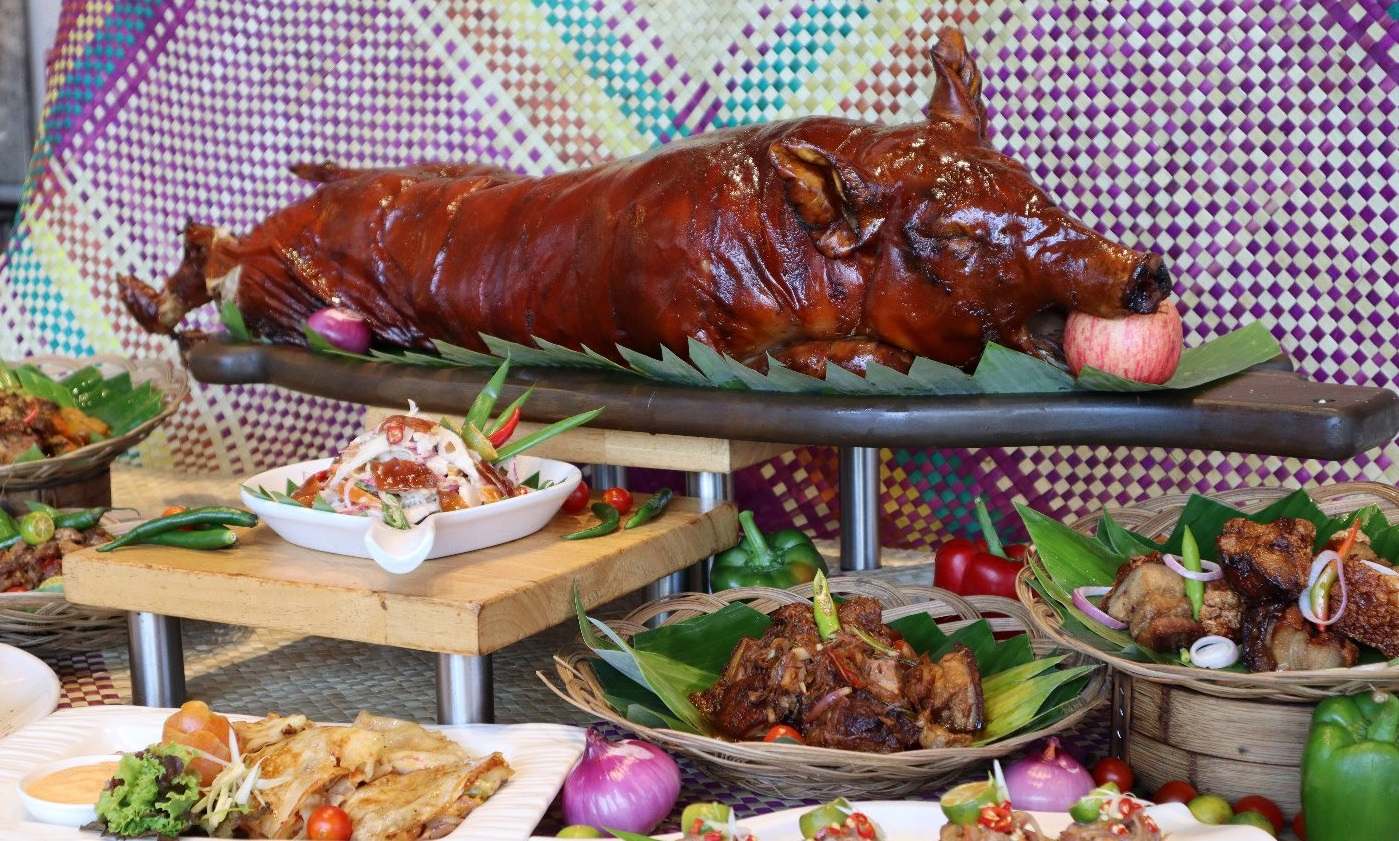
As trade routes opened, the influence of Malay roots and neighboring Asian partners began to mix into the local pots. They brought with them coconuts, rice, and early spices. But the most significant shift happened during the Spanish era, which lasted for over 300 years. This long period changed the Filipino table forever. The Spanish introduced the islands to the world of tomato-based stews, garlic-heavy sautés, and the concept of “grand” party dishes like lechon (roast pig). They brought the sofrito the mix of garlic, onion, and tomatoes which is now how almost every Filipino household starts a meal.
The Chinese also left a permanent mark. They introduced noodles, which we now call pansit, as well as bean curd and the techniques of stir-frying. Later, the American period influenced the culture through food preservation, canned goods, and a modern dining style that added a love for sweetness and fried comfort. When we look at a Filipino table today, we are not just looking at one culture’s cooking. We are looking at a history that blends rather than competes. It is a cuisine of layers where the complexity comes from how these different influences are stacked on top of one another. Filipino food does not try to be aggressive with spice because it is too busy being complex with its history.
The Logic of Flavor and the Myth of Blandness
We often hear people say that Filipino food is “matabang” or bland. This usually happens when someone compares a Filipino stew to a spicy Thai curry. We believe this is a misunderstanding of what flavor actually is. In the Philippines, the goal of a dish is not to shock the tongue with heat, but to provide comfort and balance. The Filipino palate is built on five main pillars sour, salty, savory, slightly sweet, and occasionally bitter.
The star of this show is undoubtedly sourness. While neighboring countries might use chili to wake up the senses, Filipinos use vinegar. Whether it is made from cane, coconut, or palm, vinegar provides a bright lift that cuts through the richness of meat. We also use calamansi (a small citrus fruit) and sampalok (tamarind) to create a mouth-watering acidity that defines the Filipino identity. This sourness is what makes dishes like sinigang so famous. It is a flavor that cleans the palate and makes you want to take another bite and provides comfort especially, during rainy days.
Complementing this sourness are the savory and salty elements. Filipinos rely heavily on patis (fish sauce) and bagoong (fermented shrimp or fish paste). These ingredients provide a deep sense of umami a savory weight that stays on the tongue. We also see a unique love for the “slightly sweet,” often found in sausages or even the local style of spaghetti. The goal is never for one flavor to take over. It is about how they work together. We believe that the absence of constant chili does not mean a lack of flavor it means the flavor is found in the fermentation of the fish, the tang of the vinegar, and the slow-rendered fat of the meat.
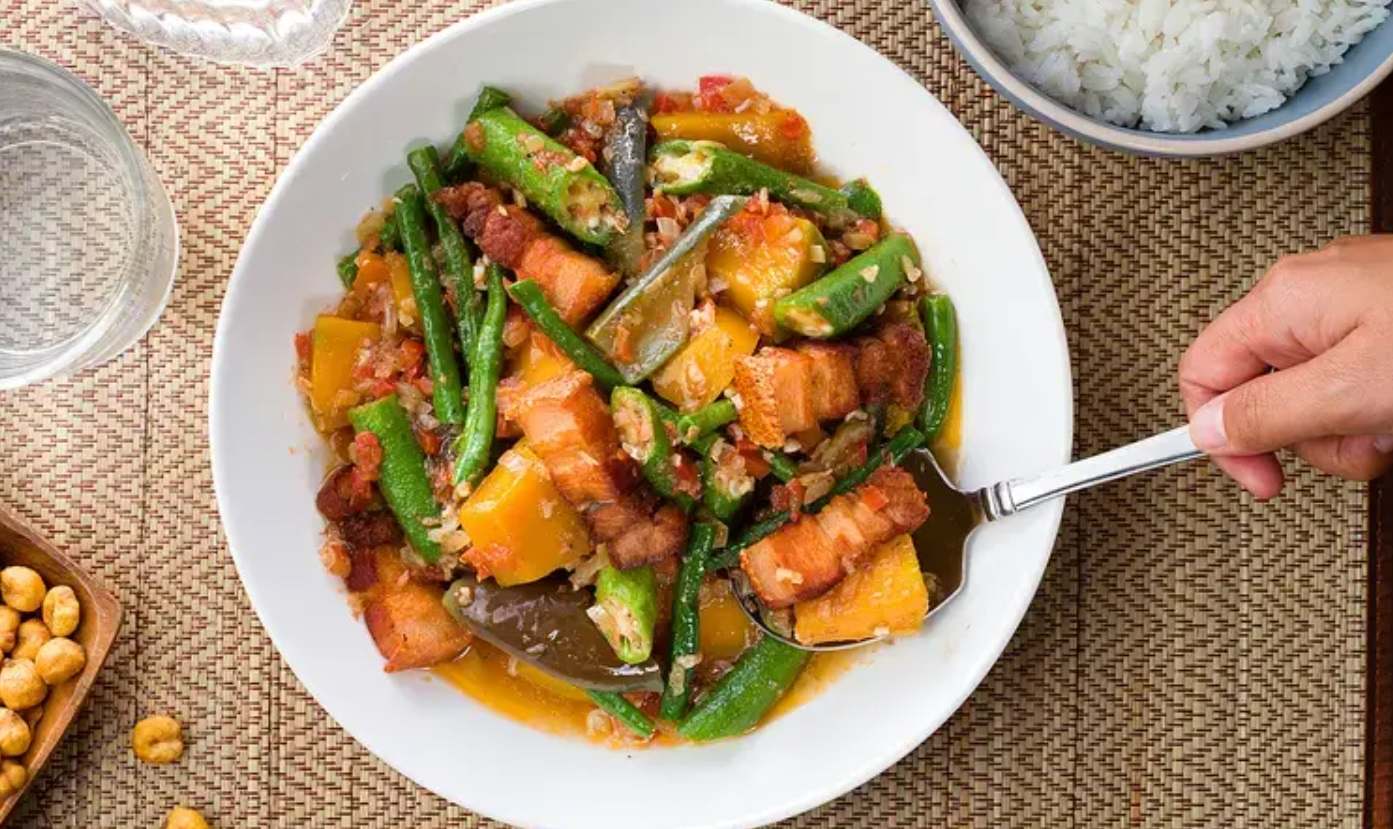
Another myth we want to address is the idea that Filipino food lacks vegetables. This is a common stereotype because many restaurants outside the country only serve meat-heavy dishes like adobo or fried lumpia. But if you look at the daily life of a Filipino family, vegetables are everywhere. We have healthy ‘Pinoy’ dishes like pinakbet, which is a mix of bitter melon, squash, and beans flavored with shrimp paste.
We have laing, which is made from dried gabi (taro) leaves cooked in coconut milk until they are soft and creamy. In the Philippines, vegetables are often integrated into the heart of stews and soups, soaking up the broth, rather than being served as a lonely side dish. The local agriculture shapes what appears on the table, and it is a very green landscape.
A Map of Hidden Heat and Regional Identity
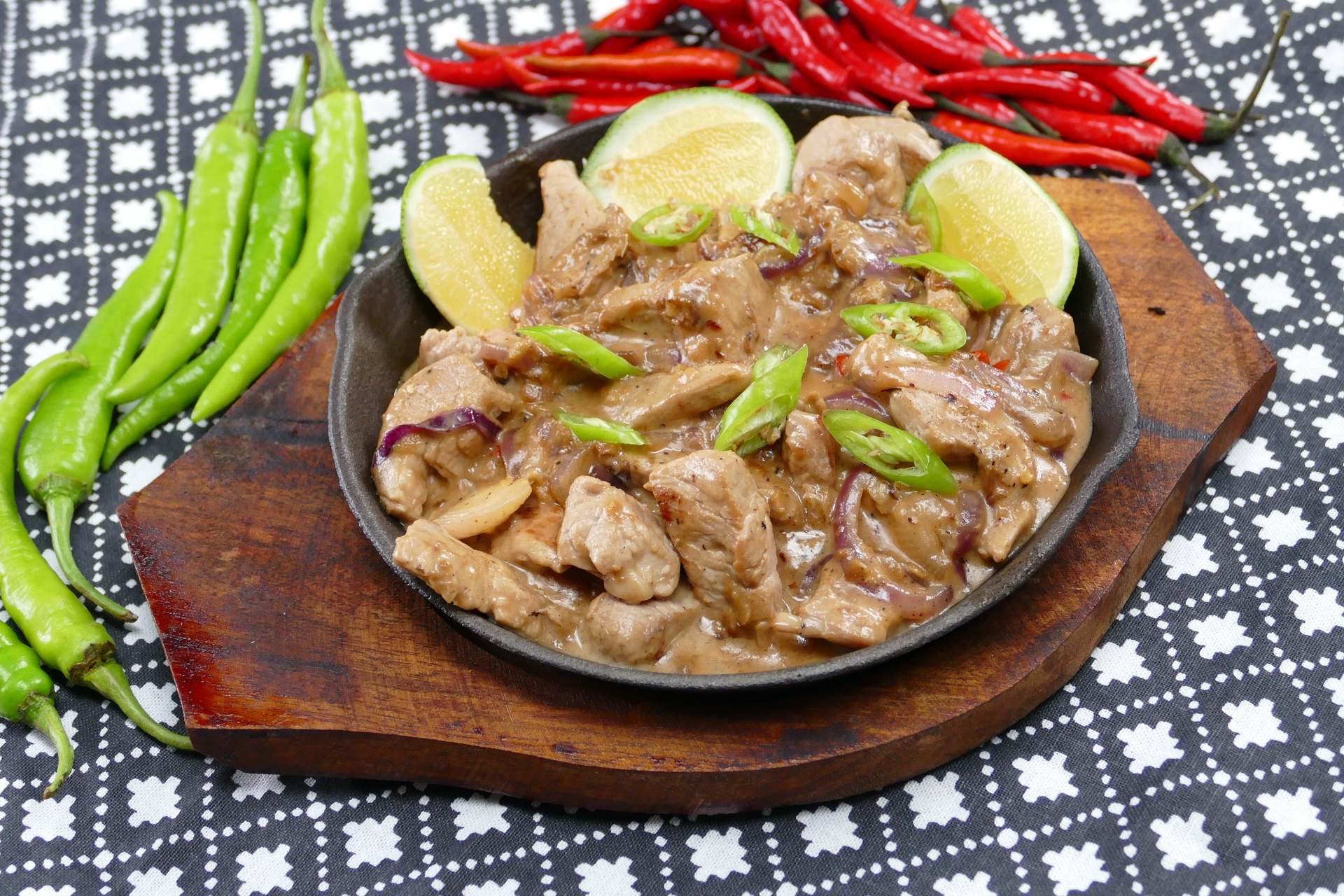
One of the biggest mistakes people make is thinking that Filipino food is only adobo and lumpia. While these Filipino dishes are very popular this narrow view ignores the incredible diversity found across the thousands of islands. Every island has its own language and every island has its own kitchen. In the northern part of the country in the Ilocos region the food is earthy and often bitter using local vegetables and fermented fish. If you move south to Pampanga, which many call the food capital of the country you find rich buttery and very sophisticated dishes that show a heavy Spanish influence.
But if you are looking for the “spicy” side of the Philippines, you have to look at the Bicol region. This is the great exception to the non-spicy rule. Bicolanos love their heat. Their famous dish, Bicol Express, is a fiery mix of coconut milk and huge amounts of green and red chilis. In the southern islands of Mindanao, the food changes again. Here, the influence of Muslim Filipino traditions creates a flavor that feels very close to Malaysia and Indonesia. They use bold spice blends and ingredients like burnt coconut to create dark, smoky, and aromatic dishes like Tiula Itum. They also use a condiment called palapa, made of ginger, scallions, and chili, which is served with almost every meal.
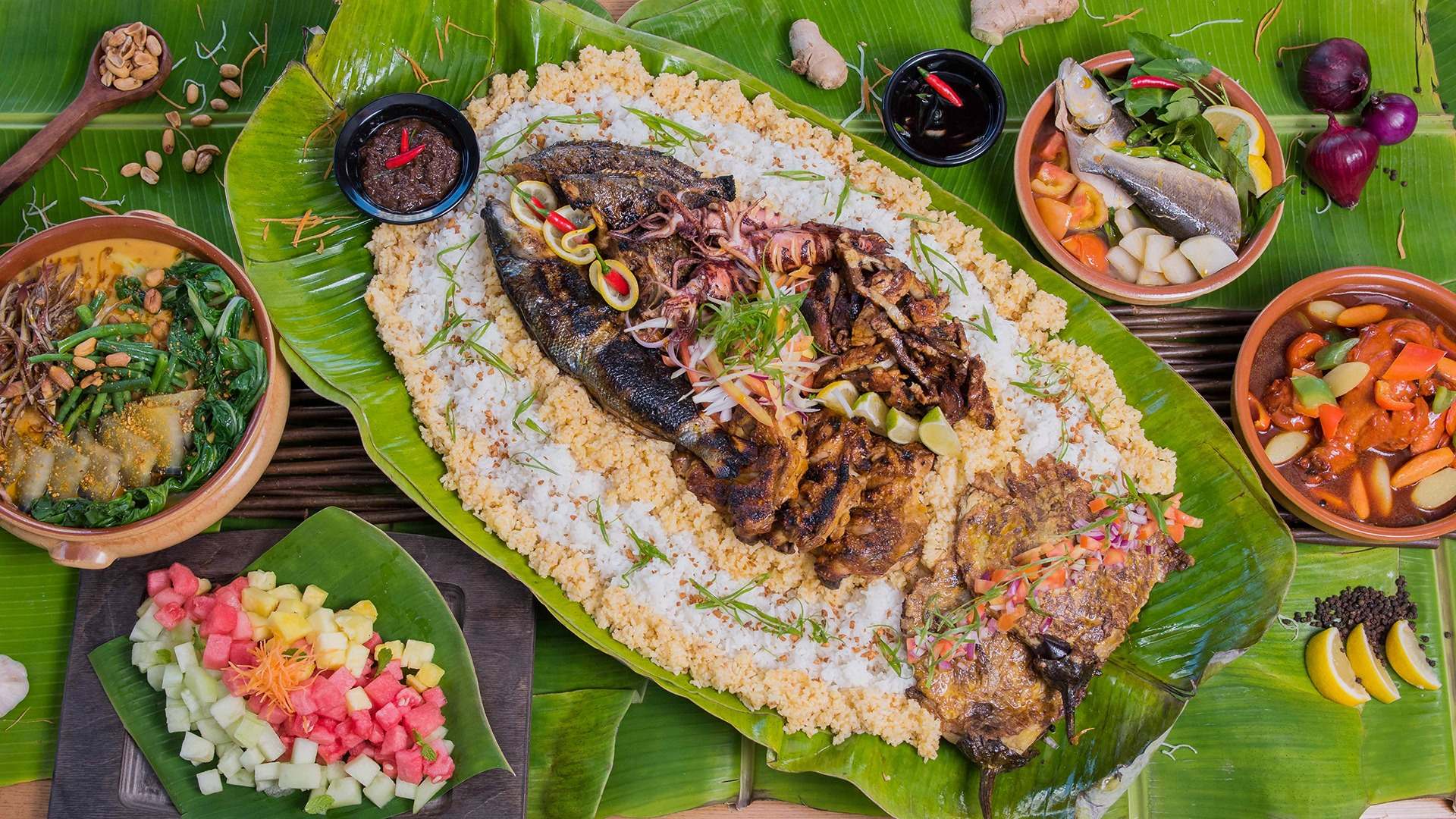
Even in places that aren’t known for being “spicy,” the heat is still there it is just optional. We use a native chili called siling labuyo. It is a tiny bird’s eye chili that packs a very sharp punch. But instead of putting it in the pot for everyone we often put it in a small bowl of vinegar or soy sauce on the side. This is called sawsawan. It allows every person at the table to decide exactly how much heat they want. We think this is a very democratic way to eat. It shows that spice culture in the Philippines lives in the condiments and the side sauces rather than dominating every single meal.
A Legacy Defined by Depth, Not Just Heat
Ultimately, Filipino food is a communal experience. It is a cuisine designed to be shared family-style with a large mound of white rice acting as the neutral canvas for all these bold, sour, and savory flavors. The role of sharing and customization at the table is central to the Filipino identity. The spice level is adjusted per household preference making the meal inclusive for both the young and the old.
We believe that the uniqueness of Filipino food does not mean it is in opposition to the rest of Southeast Asia. Instead, it is a vital contribution to it. Filipino cuisine expands the definition of what Southeast Asian food can be. It offers contrast through its mastery of sourness the ancient wisdom of fermentation the richness of coconut and a layered history that spans the globe.
Southeast Asia may be known for its fiery spice but the Philippines is known for its depth and its incredible diversity. We are a culture that refuses to be defined by heat alone. Instead, we offer a seat at a table where every flavor has its place, and every bite tells a story of a thousand years of blending, balancing, and building.
–
Featured Image by Agoda.com