

Undergoing significant transformation, the Philippine luxury goods market has become a dynamic and expanding sector. With growing consumer demand, evolving preferences, and the rising influence of digital platforms, what was once an exclusive space for the elite has become more accessible to a broader demographic.
With the nation’s economy growing, more and more Filipinos have shifted from having mere aspirations to becoming luxury lifestyle-focused, with the luxury goods market benefiting from this growing demand.
A Growing Market with Increasing Prospects
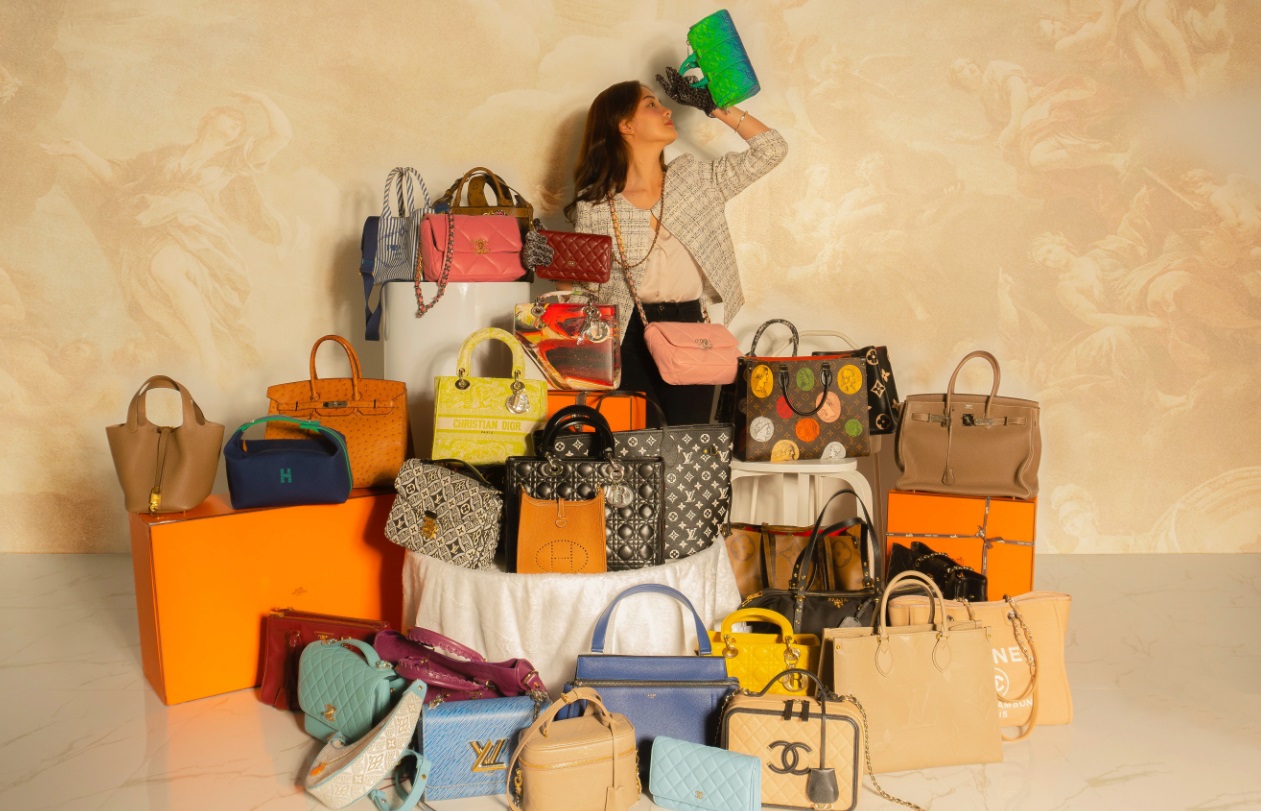
Recent data shows the bright prospects of the booming luxury goods market in the country. According to Expert Market Research, the Philippine high-end goods market was valued at USD 1.5 billion in 2023. In the same report, projections point to a growth rate of 8.8% from 2024 to 2032.
This rise in this market is likely due to factors such as a rising middle and affluent class, increasing disposable income, and a heightened desire for premium lifestyles. More Filipinos are now willing to invest in luxury, not just as a symbol of social status but as a need for their values and personal tastes.
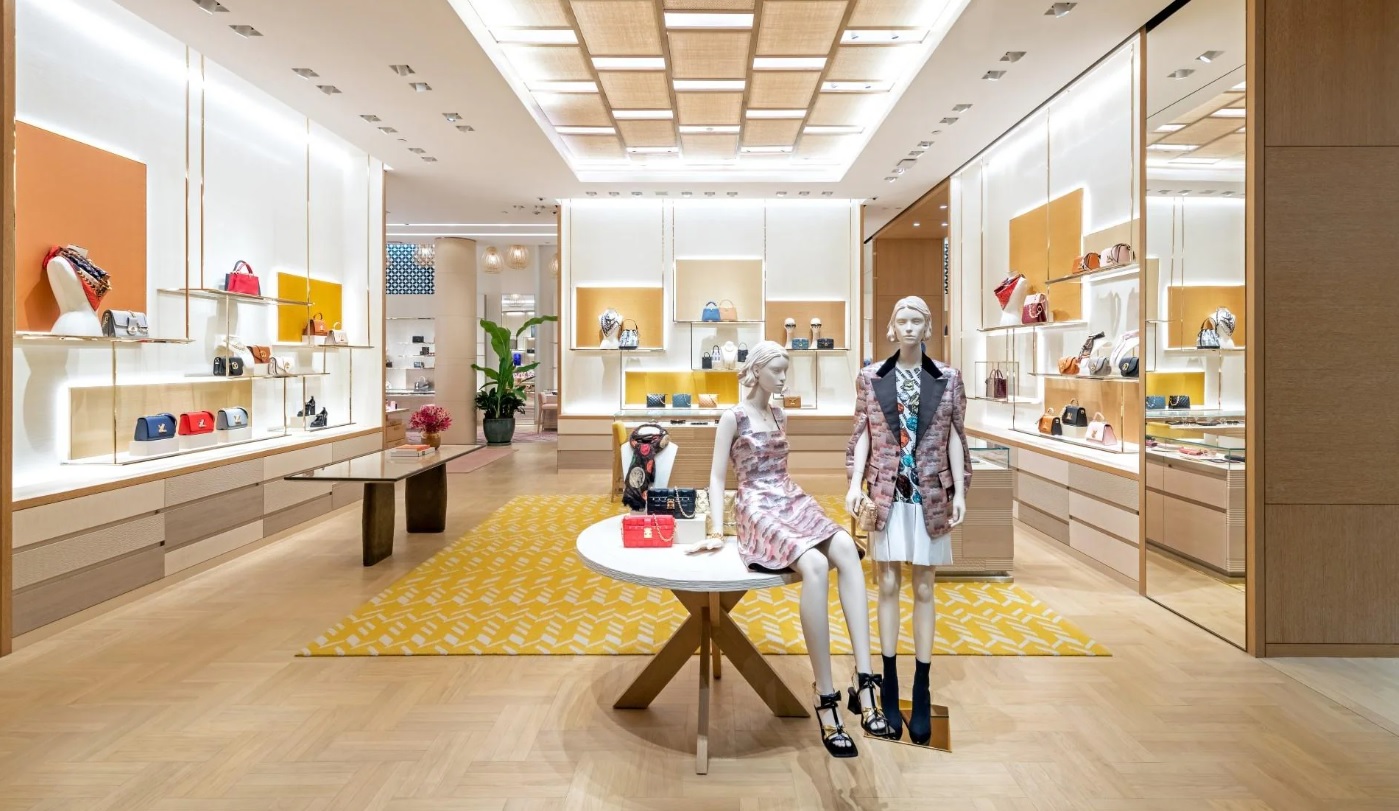
With this rising demand, international luxury brands are taking notice. Icons in luxury goods like Dior, Balenciaga, Loewe, and Louis Vuitton have expanded their presence in Metro Manila and the Queen City of the South, Cebu. NUSTAR Resort, located at the South Road Properties and catering to the growing regional market, for example, opened their mall with a curated selection of global luxury brands, namely Off White, Louis Vuitton, Ferragamo, Gucci, Hermes, Burberry, and others.
Strategic Partnerships With Regional Retail Giants
Luxury brands used to be located in exclusive retail spaces, such as Rustan’s, Greenbelt, and Rockwell, to name a few. Today, however, high end goods have become more accessible via strategic collaborations with local retail giants such as Lazada and SM Retail. Consumers are no longer limited by exclusive shelf space but they’re now able to access these goods online and in department stores.
Related article: Top 5 Biggest Shopping Malls Around Metro Manila
With this new accessibility, these platforms have created new shopping behaviors in the Philippines. Filipinos actively seek luxury goods such as designer clothes, accessories, beautifying products, and limited edition collaboration goods. These strategic partnerships have created a more inclusive market, allowing more Filipinos to experience the luxury lifestyle.
The Power of the Influencer
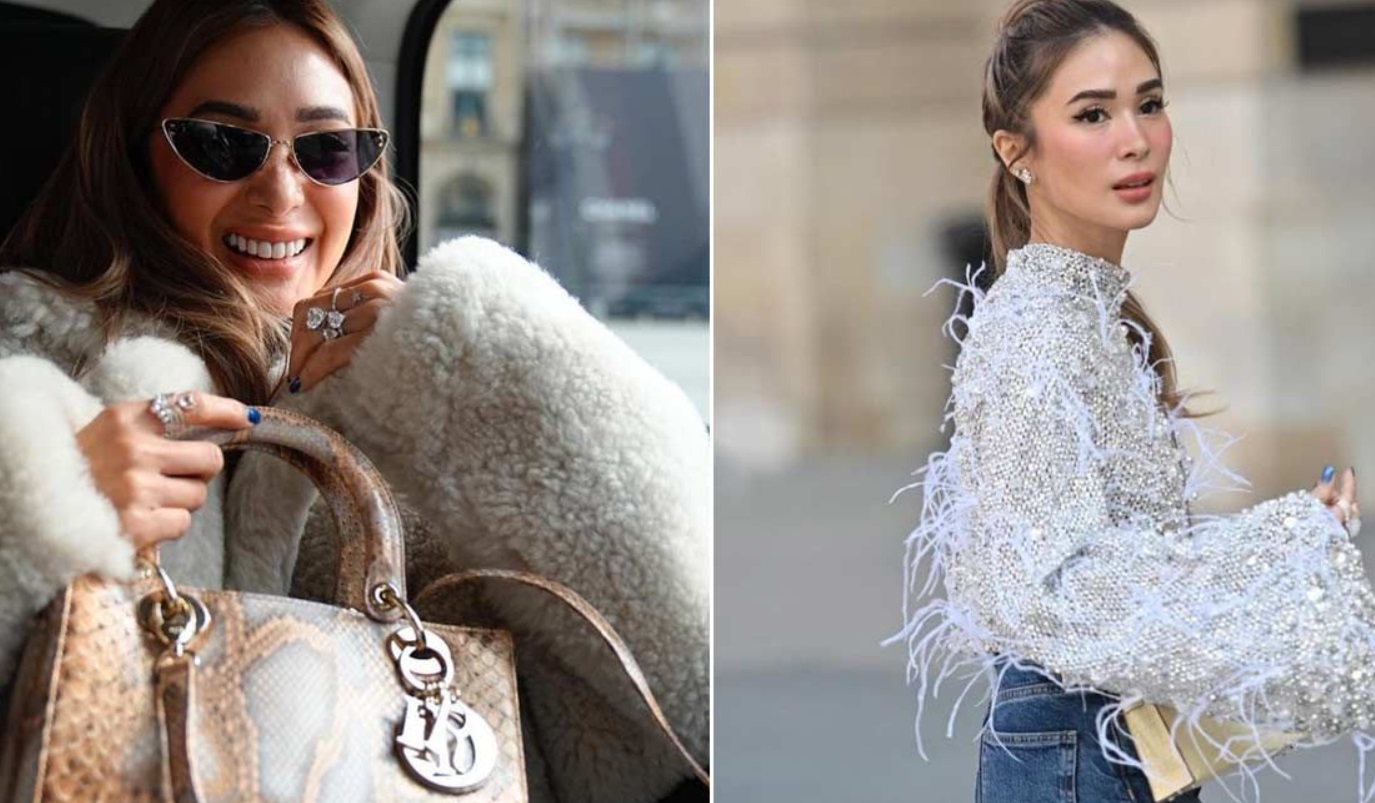
Influencer culture goes hand in hand with traditional media regarding consumer behavior. While TV and print play a role in brand awareness, influencer culture has become one of the main factors in purchasing decisions. Social media platforms like Instagram and TikTok allow big names to reach broader audiences for brand awareness and showcase aspirational lifestyles.
Considered the “Heart Evangelista Effect,” the Filipino actress and fashionista spearheads the luxury brand influencer industry with her curated and high fashion-centric content. Setting a new standard for Filipinos to engage with premium travel, skincare, jewelry, fragrance, and fashion, more Filipinos have become frequently exposed to real-life styling and personal narratives behind high-end goods. In turn, the luxury market has become more appealing and even relatable.
Related article: Most-Enjoyed Fragrances by Filipino Celebrities
Key Luxury Segments Gaining Traction
Key segments in the luxury market include fashion accessories, beauty, and skincare. Designer handbags, shoes, and jewelry are the main entry points for first-time luxury buyers. These smaller and wearable goods offer prestige without the significant investment required for cars, luxury travel, property, or yachts.
Beauty and skincare products are another segment that’s growing traction due in part to online reviews and influencer endorsements. Millennial and Gen z buyers go towards brands that have good quality, brand ethos, and of course, product performance, which are key traits featured in luxury beauty products.
The Rise of Local Luxury
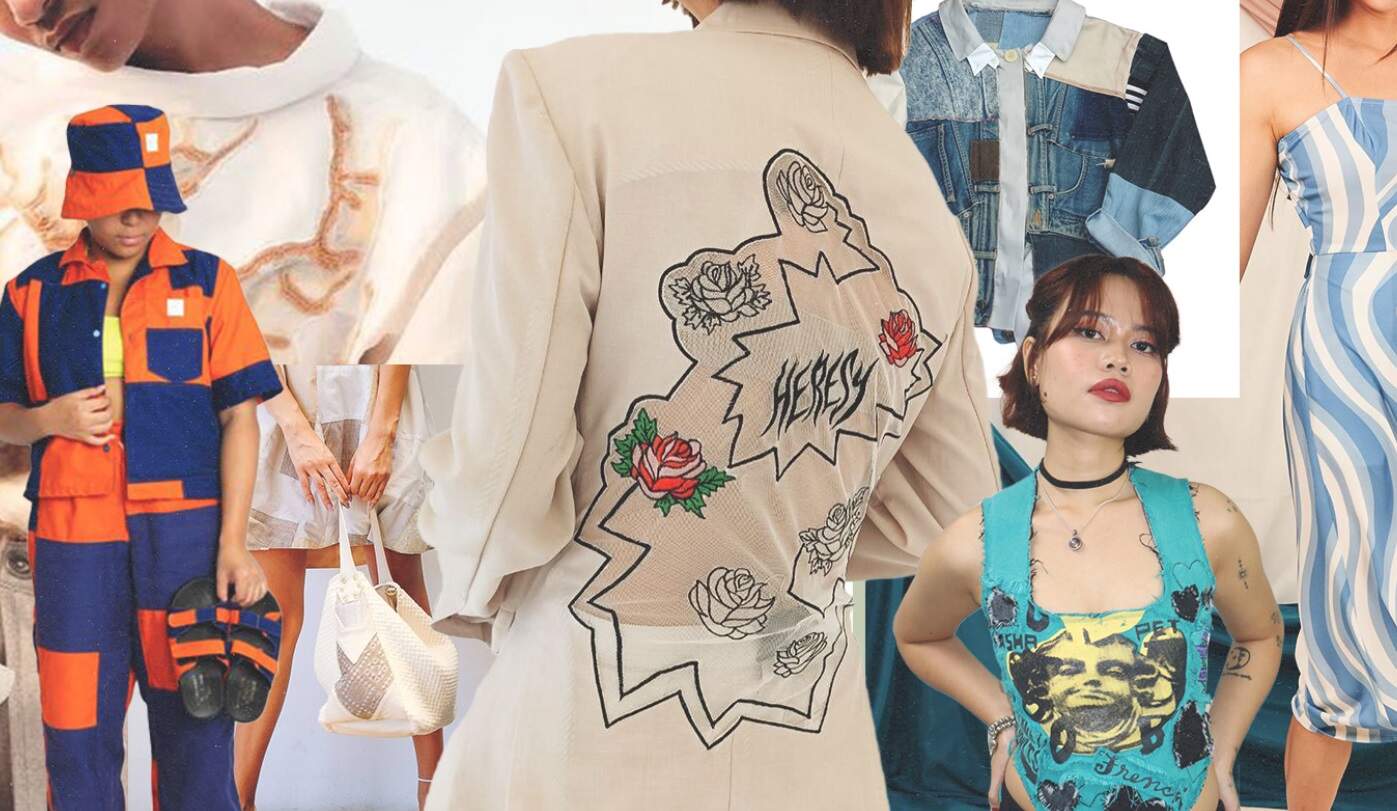
Interestingly, the luxury goods market in the Philippines is not only limited to global brands but also includes local luxury products from designers and artisans. There is a growing demand for buying locally in the country, such as clothes made of handwoven textiles, ethically sourced jewelry, designer furniture, and handmade bags. These luxury goods from Philippine fashion brands blend heritage, craftsmanship, sustainability, and ethical practices, commanding high price points in local and international markets.
Related article: Supporting Local: Filipino Luxury Bag Brands and Designers You Need To Know
The luxury goods market in the country is no longer confined to the ultra-wealthy or exclusive spaces. In the ever-vibrant and evolving space of e-commerce and growing luxury spaces, global brands and local creatives intersect, creating accessible outlets for a wider demographic.
Shaping the Future of Luxury in the Philippines
Whether it’s a Louis Vuitton bag purchased online during a payday sale or an heirloom piece by a celebrated Filipino designer, luxury goods in the Philippines are being redefined. With more disposable income, exposure to aspirational lifestyles, and luxury brands becoming more accessible, this market continues to grow, promising economic growth and spearheading a cultural revolution of higher living.
–
Featured Image by Louis Vuitton Greenbelt Makati Store – Louis Vuitton