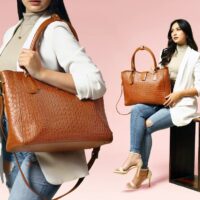


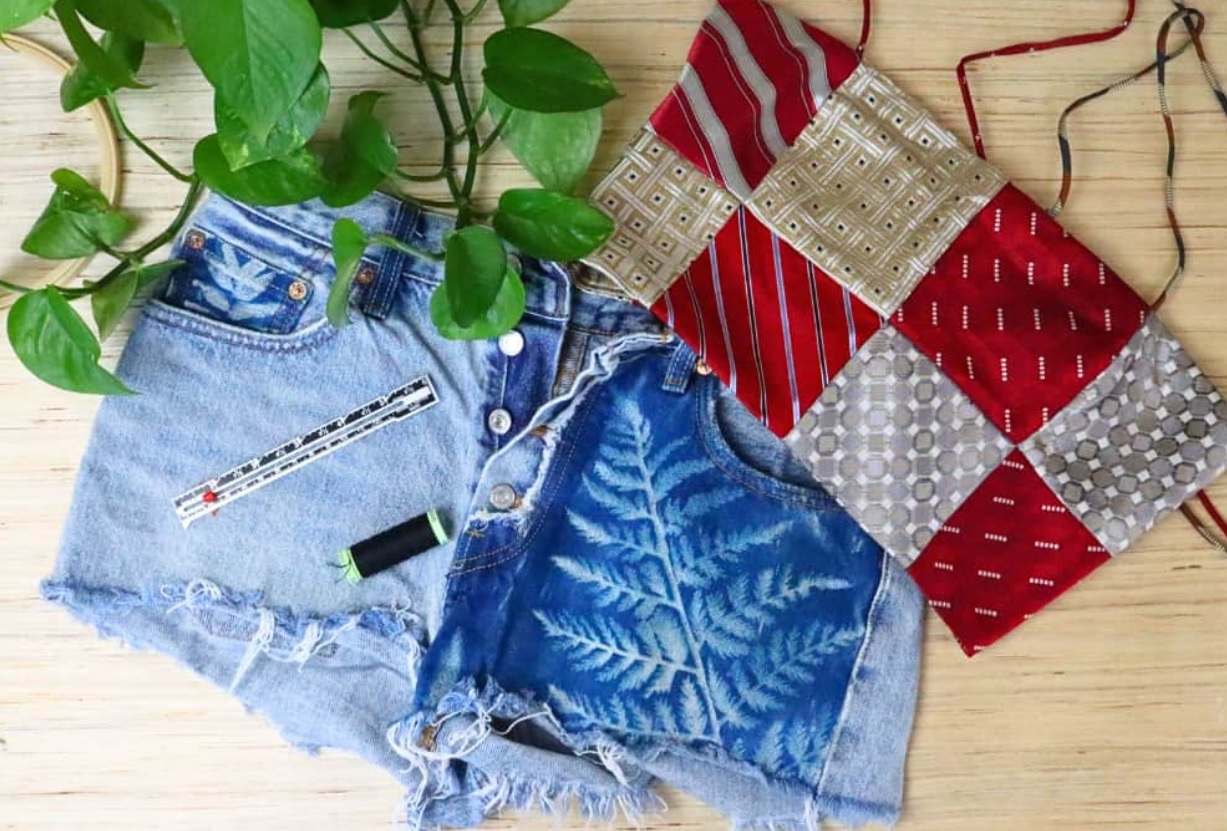
Earlier in 2025, a report titled The State of Sustainable Fashion in The Philippines was presented to discuss how Filipinos take care of fashion items. The report states that 50% of clothes in most Filipinos’ closets are brand-new every year, with 29% of Filipinos surveyed reporting that they throw away their clothes after wearing them once.
This challenges the long-held belief that Filipinos are “outfit repeaters” who make the most out of their clothes, shoes, and bags by wearing them as often as possible, at least until they fall apart. There is a reason, after all, that well-off Filipinos rely on luxury brands to deliver high quality items that can be used day after day.
Part of this reason is the rise of online shopping platforms such as Lazada and Shopee, where new fashion items can be purchased at the click of a button. Yet most Filipinos are frustrated about spending hard-earned money on these items only to find that they also fall apart after a few uses.
Because of the impracticality of spending too much money on wardrobe items, many fashion-forward Filipinos have turned to the art of mending, upcycling, and alterations to breathe new life into clothes and shoes that have seen better days. Whether it’s through a trusted artisan or done on their own, Filipinos are finding ways to save their wardrobes.
Related article: Fashion Brands You May Not Have Known to Be Filipino
5 Ways for Filipinos to Save Their Fashion Wardrobe
More Filipinos are discovering methods of mending and altering items to fit their needs. This is especially true for younger fashionistas, who are discovering crafting through thrifting to “rescue” and customize existing clothes. These methods are proven to be sustainable, not only in reducing fashion waste but also in supporting local artisans.
1. Tailors and Seamstresses
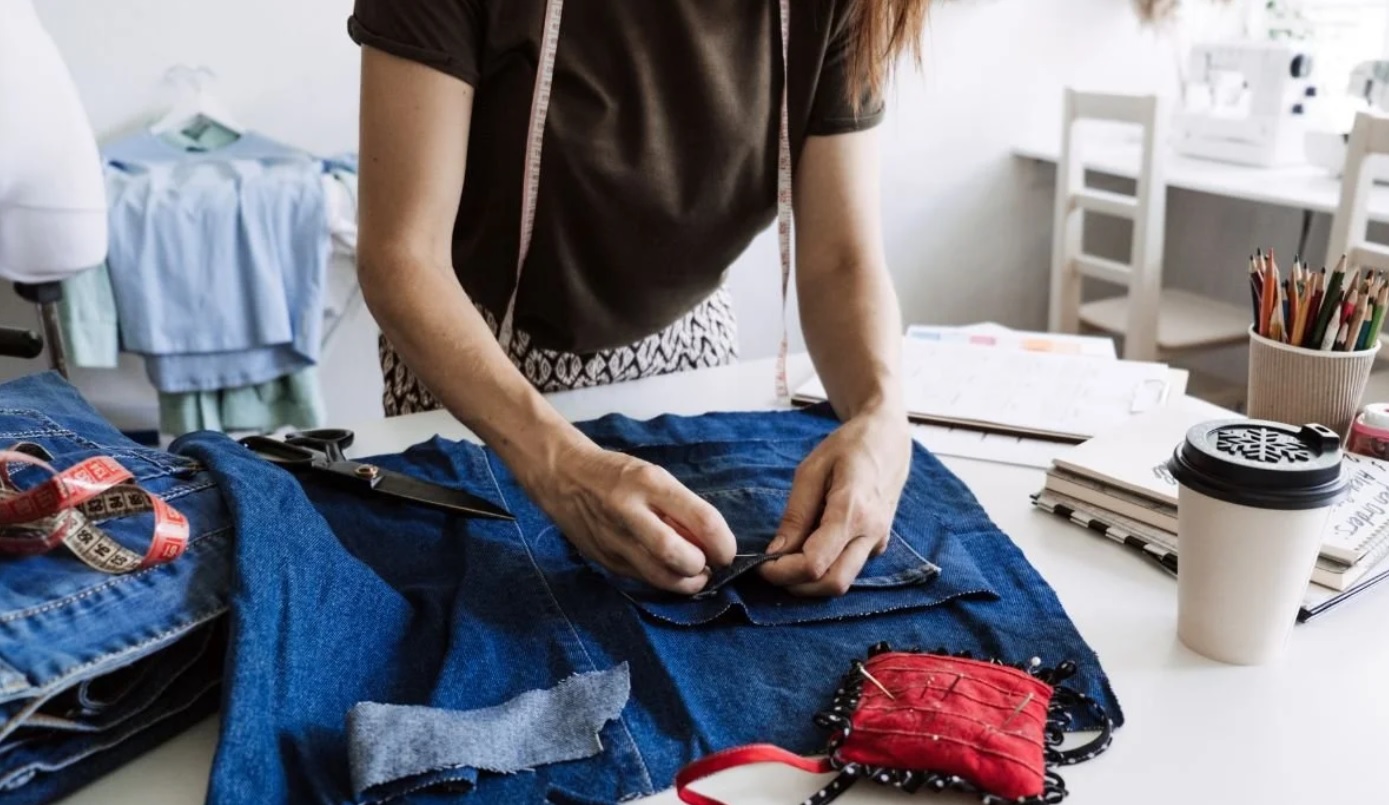
Just when the days of bespoke suits and made-to-order dresses seem to have faded, tailors and seamstresses are making a comeback through the art of alteration. Savvy clothes buyers are known to take ill-fitting clothes to these local artisans for the purpose of changing hemlines, waistbands, and seams, among others.
Custom alterations are a means of guaranteeing a well-proportioned fit for pants, dresses, and any clothing that can be sewn back together. And while tailors are rarely found at malls, you can find them at places such as public markets and subdivisions where they run smaller enterprises.
2. Professional Shoe and Bag Repairs
With younger generations buying more designer accessories, it’s important to have a repair specialist at hand for fixing defects in shoes and bags. Neighborhood cobblers and longtime mall fixtures such as Mr. Quickie and Besa’s are known for shoe and bag repairs that are built to last, from replacing insoles to fixing zippers.
And it’s not just dressy shoes and bags that are getting professional treatment. Sneakerheads across the country are now seeking out dedicated specialists to repair and restore their favorite shoes to mint condition. This is especially important for collectors of vintage sneakers whose kicks can use more love and attention.
3. Leather Restoration
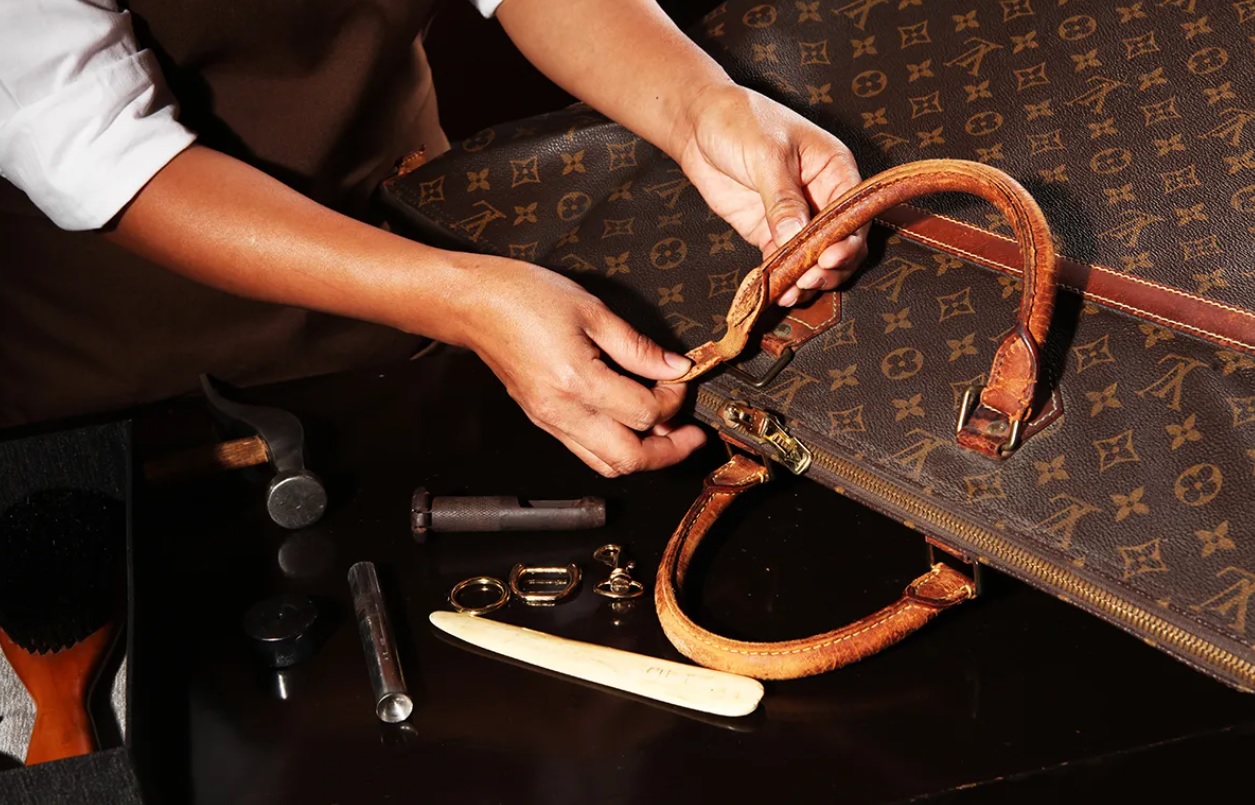
Not everyone can afford to paint over a stain on an Hermes bag, as Heart Evangelista did when a mishap with cheese fries damaged the leather on her Birkin purse. In fact, longtime designer bag collectors say that the stain could’ve been fixed just as easily by an expert leather restorer, especially one that specializes in genuine leather goods.
Restorers such as Doctor Leather are specialists in removing stains and defects while maintaining the integrity of the material. Some of these leather experts are certified to take care of authentic designer items, ensuring that bags and shoes are treated with utmost care.
Related article: Supporting Local: Filipino Luxury Bag Brands and Designers You Need To Know
4. Upcycling
A button-down polo shirt made from canvas rice sacks or Lola’s floral bed linens might sound like the punchline of endless jokes. Yet fashion influencers are now wearing these reworked items with pride, thanks to a new crop of thrift stores, pop-ups and designers who take old fabric to make new fashion.
The appeal of upcycled fashion lies in the restoration of vintage design in general, whether it’s the sturdy waistband on a pair of old jeans or an ornate panel from a worn-out barong. Reworking old and damaged fabrics into new fashion items provides a much-needed dose of Filipino ingenuity into anyone’s wardrobe.
5. The Do-It-Yourself Route
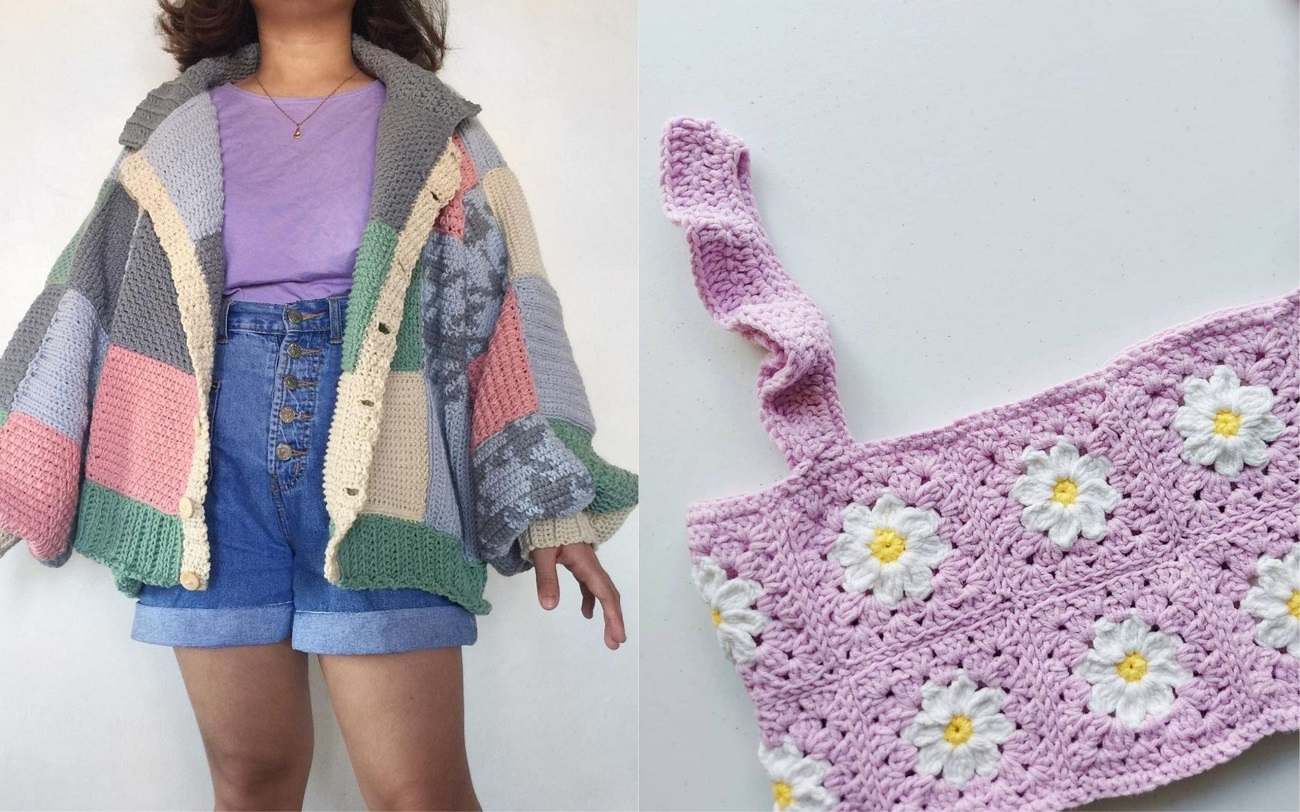
Perhaps it was all the free time during the pandemic, or the popularity of thrifting, but sewing and embroidery skills have also been revived by Gen Z’ers and millennials looking for ways to “flip” their clothes. These homemade alterations range from stitching designs on T-shirts to reconfiguring dresses that have seen better days.
The revival of sewing, along with “old maid” hobbies such as knitting, cross-stitching and crochet, comes with added benefits for mental health. Hands-on crafting is known to relieve stress and stimulate brain function, while the act of creating something new gives crafters a sense of accomplishment that can boost self-esteem.
Related article: Statement and Style: Filipino Streetwear Brands that Fit Any Vibe
Make Your Wardrobe Go the Extra Mile
While mending, upcycling, and alterations are not always the money-saving strategies that they used to be in previous generations, they’re still a wise investment to make when it comes to spicing up a tired wardrobe. These strategies feed the craving for wardrobes with new fashion without the need to buy new pieces.
Adding to the benefits of upcycling and mending wardrobe items is the boost to small businesses and artisans who earn their keep through doing repairs. Supporting tailors and repair specialists—not to mention influencers for crafting—also contributes to a sustainable lifestyle model that encourages both creativity and mindful consumption.
With more Filipinos rediscovering the art of alterations, the Philippines is inching closer toward not just sustainable fashion, but a rediscovery of personal style. Alterations, after all, come down to customization, and a reworked yet personalized wardrobe goes a long way toward establishing one’s presence through fashion.
Going to an alterations specialist means that there’s no need (yet) to throw away stained bags, ill-fitting pants, or worn-out pairs of shoes. A few surgical tweaks here and there can save your wardrobe, and even your sense of style.
Get the latest Filipino-friendly tips for fashion and self-care with Style and Beauty.
–
Featured Image by The Sewing Room