

Long before the rise of multi-city complexes, a trip to the mall was a sacred ritual for most Filipino families. We remember a time when “going to the mall” meant dressing up in one’s Sunday best piling into the family car or a jeepney and preparing for an entire day of exploration. It was never just about buying a new pair of shoes or stocking up on groceries. These spaces were the beating hearts of our cities, places where the air conditioning felt like a luxury, where children ran toward the glow of neon arcades and where the simple act of sharing a meal at a food court felt like a grand celebration.
In the decades before the internet and social media redefined how we spend our leisure time these earlier shopping centers were the primary stages for our public lives. They were where communities gathered to escape the tropical heat where students spent their Friday afternoons and where families created a shared history over the weekends. We look back at these malls not as mere retail outlets, but as the cultural landmarks that shaped the childhood and young adulthood of generations. They defined the rhythm of urban life long before the rise of the “supermall” changed the landscape forever.
The Rise of a New Urban Lifestyle
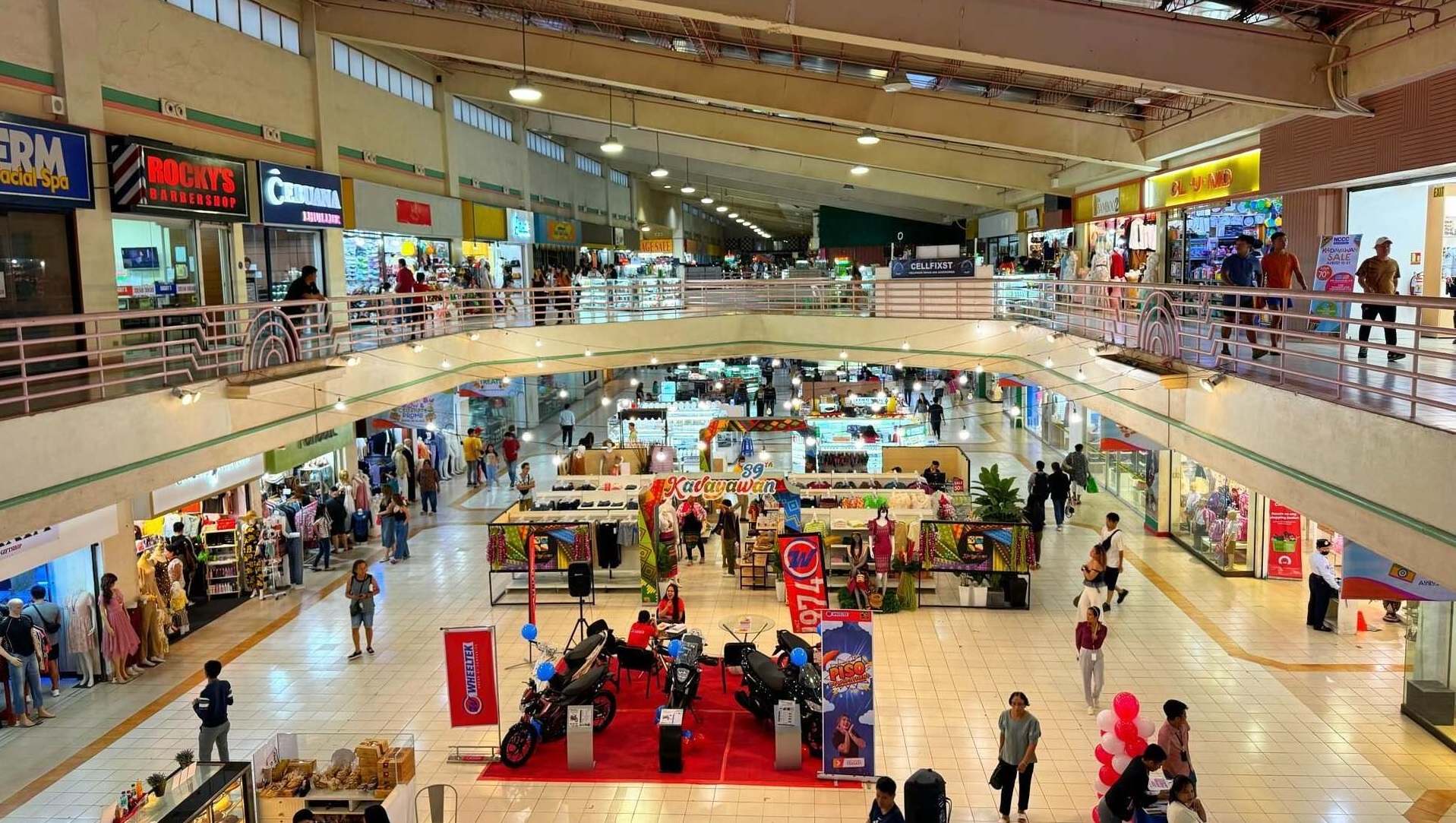
We can still recall the era when the concept of a mall was fresh and transformative. For many Philippine cities, the arrival of a centralized shopping center represented a leap into a more modern way of living. Before this, shopping was often scattered across various markets and high-street shops. Suddenly, people had a single destination where they could shop, eat, watch a movie, and simply “be” together. These early malls were significantly smaller and simpler than the massive glass-and-steel structures we see today but to the eyes of a child in the 80s or 90s they felt like endless worlds of discovery.
The magic of these spaces lay in their accessibility and the sense of wonder they provided. They were the first places to introduce many Filipinos to the “one-stop-shop” lifestyle. They weren’t intimidating they were cozy. People didn’t need a map to navigate them yet they were large enough to feel like an adventure. We see this period as the foundation of the Filipino mall culture a time when the mall became the default meeting place for friends and the go-to sanctuary for families on a budget. It was an era where the excitement of a glass elevator or a working fountain was enough to make a weekend feel special.
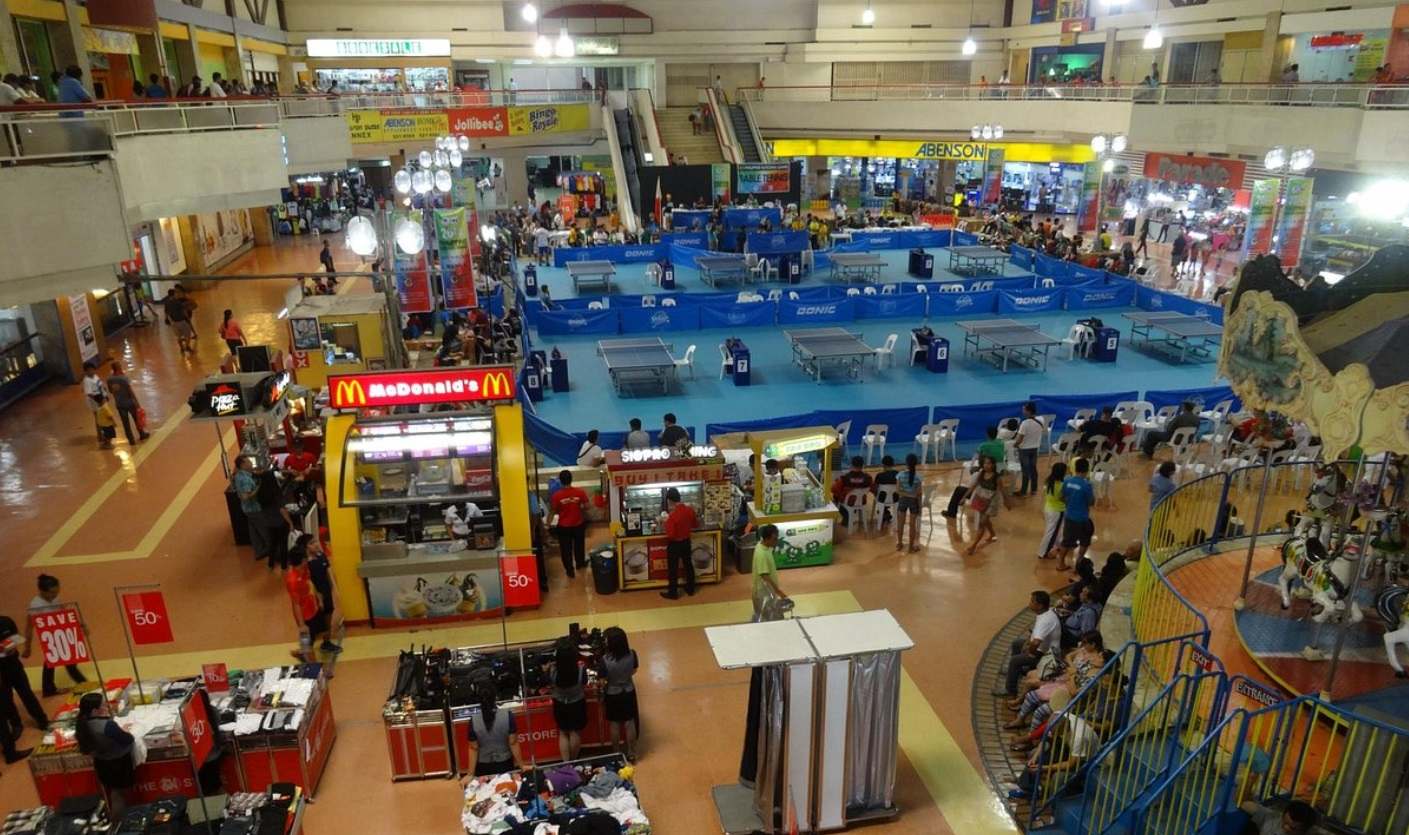
As these malls grew in popularity, they became the landmarks that defined their respective cities. In Davao City, for example, the opening of Victoria Plaza in 1993 marked a turning point for the entire region. As the city’s first true shopping mall it quickly became the sun around which daily life revolved. For more than thirty years it served as the central gathering place for Davaoeños. We remember how the hallways of Victoria Plaza were more than just corridors they were the paths people walked every day to run errands meet old friends or take their children to see the latest toys.
Victoria Plaza wasn’t just a place to buy goods it was a cultural landmark. It hosted everything from beauty pageants and school competitions to holiday performances that drew crowds from neighboring provinces. It was a space that witnessed the milestones of thousands of lives. They saw children who once rode the mall’s carousel grow up to bring their own children to those same halls. This continuity is what transformed these buildings from commercial assets into repositories of collective memory.
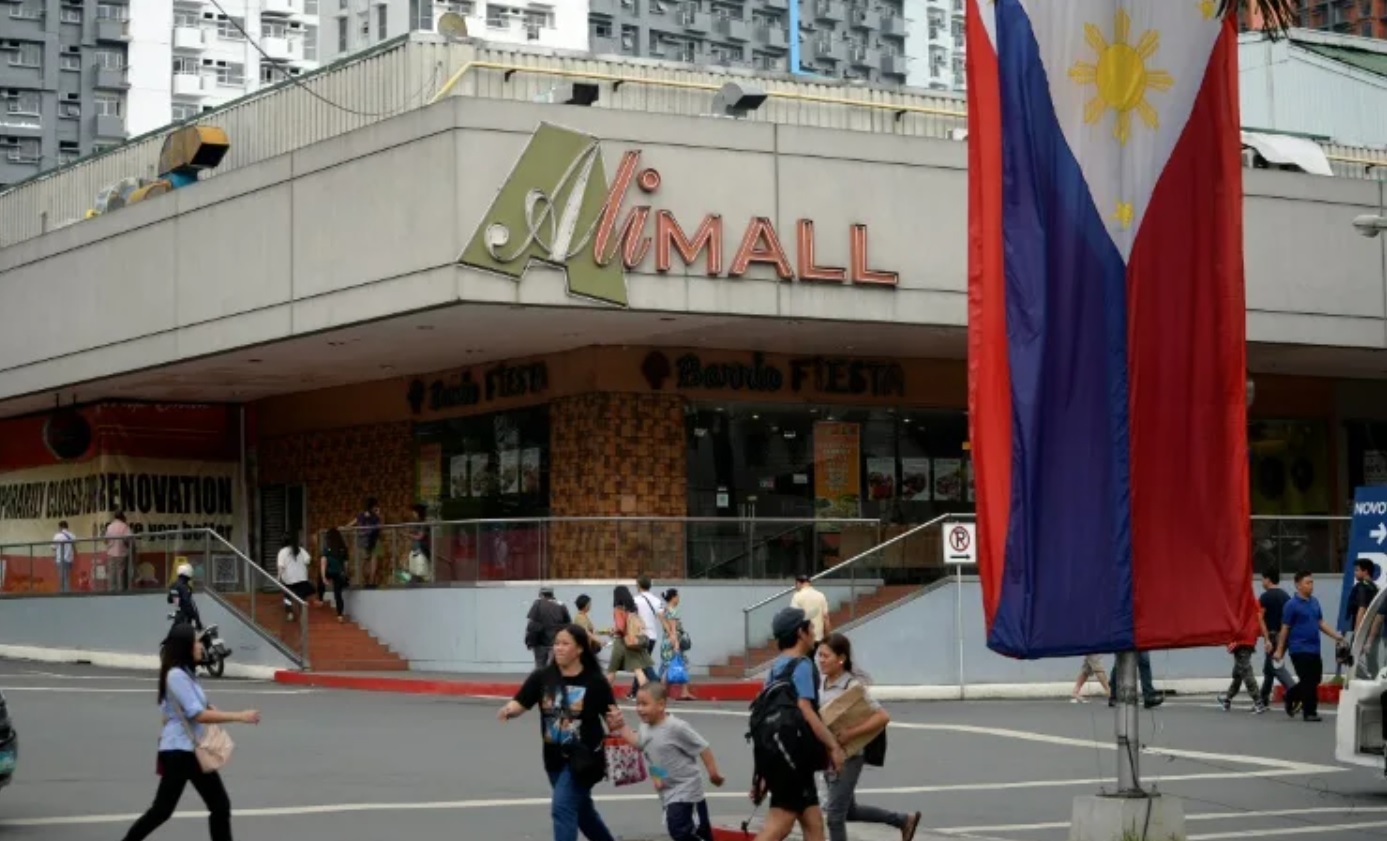
But this phenomenon was not unique to Davao. In Metro Manila many people still remember the excitement of visiting Ali Mall, a shopping center in Cubao whose name honors the legendary boxing match between Muhammad Ali and Joe Frazier. The fight known as the Thrilla in Manila took place at the nearby Araneta Coliseum in 1975. A year later the mall opened and quickly became one of the country’s earliest modern shopping centers. Families wandered through its department stores while teenagers met friends by the cinema and spent long afternoons walking through the busy halls. Today the mall still stands as part of the Araneta City district. Its crowds are quieter than before and many visitors now come for restaurants or nearby government offices, but the place still carries echoes of Cubao’s lively past.
Across the metro another landmark once defined a different part of the city. Harrison Plaza rose near the stretch of Roxas Boulevard and became one of the earliest shopping complexes in the capital. For many years it was the weekend destination for families living in Manila and the nearby districts of Pasay and Makati. People browsed clothing shops, watched the newest films, and cooled off inside one of the city’s first large air conditioned malls. The building eventually closed after decades of service, but plans have been announced to redevelop the property into a new complex known as SM Harrison, giving the old location a new chapter in the story of Manila’s retail life.
Further south, Cebu residents had their own beloved landmarks. Gaisano Country Mall became a familiar gathering place for families in Banilad and the surrounding neighborhoods. Its grocery stores, cinemas, and rows of small shops made it a dependable stop for everyday errands and relaxed weekend strolls. Not far away stood White Gold Club, a retail center many Cebuanos remember for its busy aisles and lively atmosphere. Shoppers could spend hours moving between shelves of goods and small food stalls while children waited eagerly for their turn at the arcade. Like many of the malls from that era these places felt personal and welcoming, almost like extensions of the neighborhoods that grew around them.
In Cagayan de Oro, Limketkai Center grew into one of the city’s proudest symbols of progress. It began as a modest commercial complex and slowly expanded into a busy hub filled with shops, restaurants, and cinemas that drew visitors from across Northern Mindanao. For many families, a trip to Limketkai marked a special day in the city. These malls across the country shared the same spirit. Inside their halls people discovered the simple joys of mall life, from the scent of new clothes in department stores to the bright lights of toy shops and the cheerful noise of arcades. They were the places where “malling” slowly became part of everyday Filipino life and where countless memories quietly took shape.
The Transition to the Supermall Era
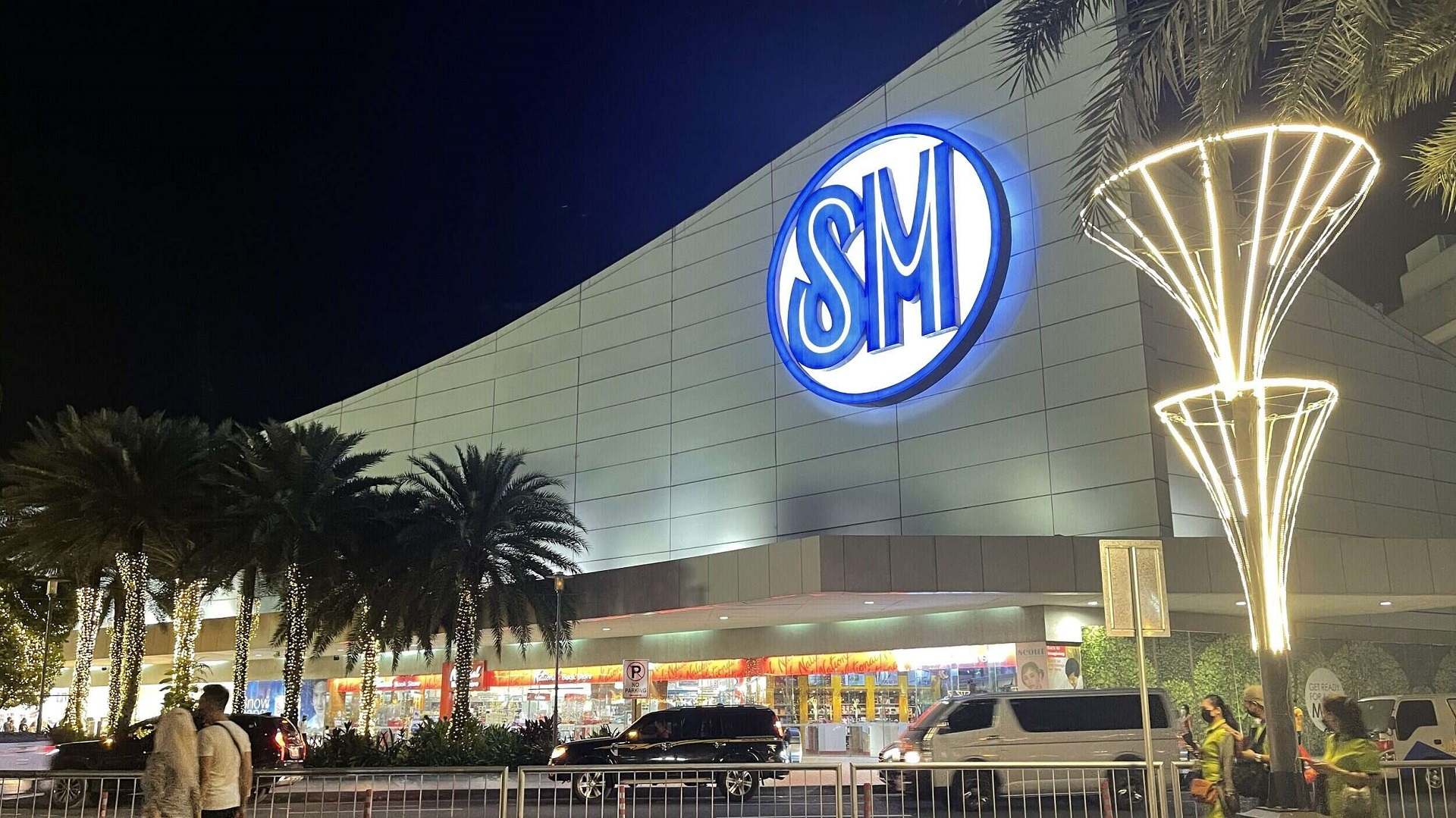
Eventually, the landscape began to shift. The mid-90s and early 2000s saw the rise of the “supermall” vast multi-level complexes owned by national giants that offered an even greater scale of entertainment like SM, Ayala Malls, and other shopping malls in Metro Manila and other parts of the country. These newer developments introduced international brands, IMAX theaters, and massive skating rinks. We observed as the consumer’s expectations began to change. People started craving the newest, the biggest, and the most modern facilities. As these giant malls expanded across every major highway the older local malls began to feel the weight of time.
Gradually, many of the malls we grew up with lost their primary position. The sleek, air-conditioned cathedrals of the new era offered more variety, but often at the cost of the intimacy found in the older centers. While the supermalls provided convenience and luxury they couldn’t quite capture the same “neighborhood” feel. We watched as some older malls struggled to keep up. Some were renovated while others like the legendary Harrison Plaza, eventually closed their doors to make way for new developments.
The recent closure of Victoria Plaza last December 31, 2025 after three decades of service felt like the end of an era for many Davaoeños. It sparked a massive wave of nostalgia across social media, with people sharing photos of their childhood birthdays and old family portraits taken at the mall’s photo studios. It reminded us that while cities must modernize and grow there is a deep emotional cost to losing the spaces that shaped us. These malls were the witnesses to our everyday milestones, and their absence leaves a gap in the physical and emotional map of the city.
A Legacy Carved in Memories
Even as newer, more high-tech malls dominate the skyline today the older malls remain deeply ingrained to the Filipino identity. We realize that while a building can be demolished, the memories created within it are much harder to erase. The malls we grew up with were not just about the items we bought; they were about the people we were with and the feelings of excitement and belonging they provided.
They were the pioneers of our modern lifestyle, the places where we learned how to navigate the world outside our homes. Whether it was the classic charm of Ali Mall the local grit of Gaisano Country Mall, or the enduring legacy of Victoria Plaza, these spaces will always hold a special place in our hearts. While the architecture of our cities continues to change the malls of our childhood remain a permanent part of the Philippines’ shared cultural memory a reminder of a simpler time when a weekend at the mall was all we needed to feel like the world was wide open and full of possibility.
–
Featured Image by Tripadvisor