

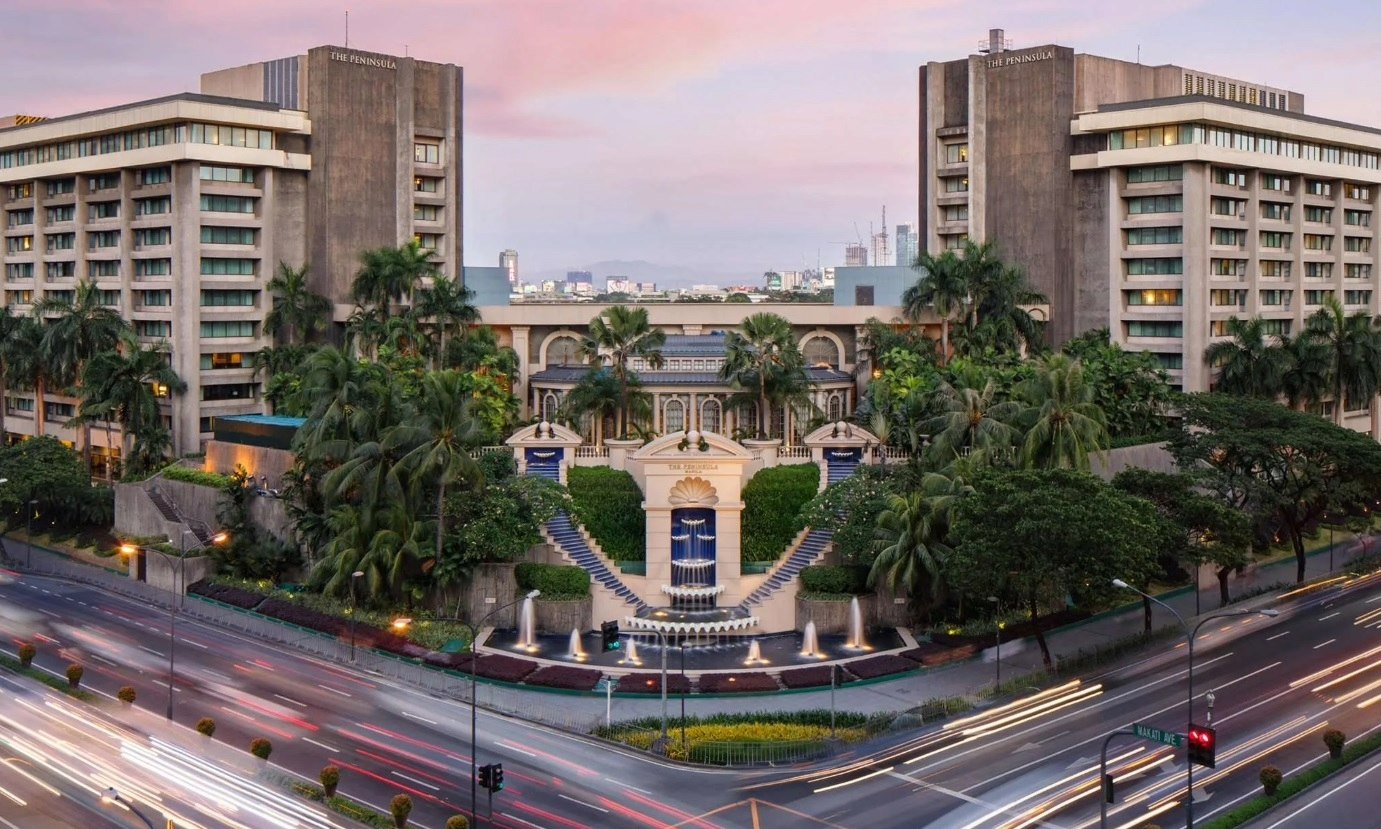
Manila, a city brimming with history, culture, and a relentless forward momentum, has witnessed a remarkable transformation in its hospitality landscape. From the grand, colonial elegance of the Manila Hotel to the imposing, yet iconic, brutalist structure of the Manila Peninsula, the city’s hotels have always mirrored the architectural trends of their eras.
However, a new breed of hotels has emerged, signaling a pivotal shift towards design-forward aesthetics and an astute adaptation to the evolving demands of modern travelers. These establishments are not merely places to stay; they are meticulously crafted experiences, pushing the boundaries of luxury, comfort, and thematic immersion.
A Century of Design Evolution in Manila’s Hotels
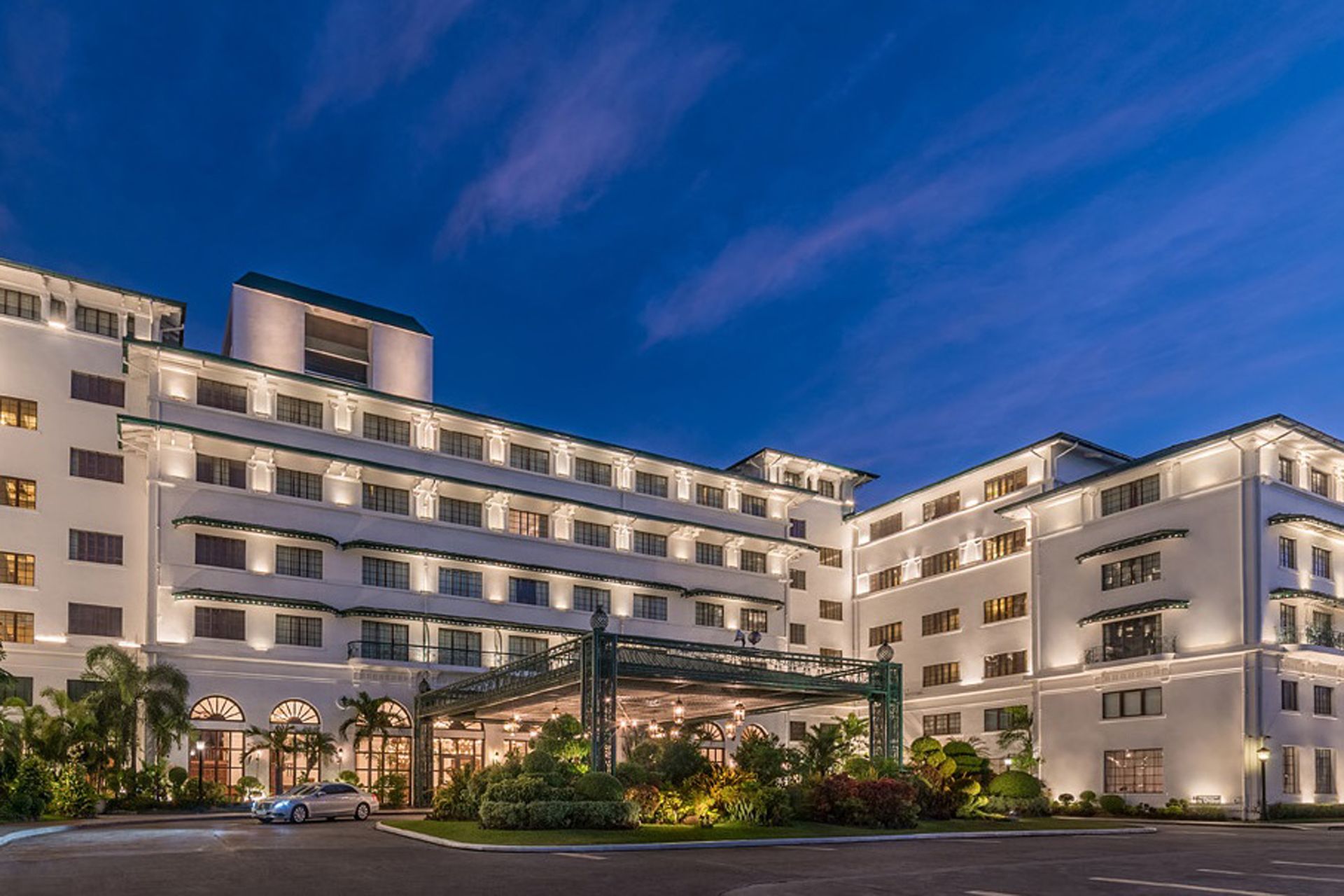
The evolution of hotel design in Manila can be traced through distinct periods. The early 20th century saw the rise of majestic structures like the Manila Hotel, a testament to classical design with its intricate details, spacious lobbies, and a palpable sense of historical grandeur.
These hotels often served as social hubs, reflecting the opulence and aspirations of a bygone era. Fast forward to the mid-20th century, and the architectural landscape began to embrace more utilitarian and modernist forms.
The Manila Peninsula, with its stark, geometric lines and robust concrete façade, embodies the brutalist movement that prioritized function and raw materiality. While perhaps not universally celebrated for its aesthetic warmth, it undeniably left an indelible mark on Manila’s urban fabric.
Today, the narrative has shifted dramatically. Manila’s contemporary hotels are characterized by their audacious designs, integrated amenities, and a keen understanding of the global luxury market. They are no longer content with merely providing a room; they offer comprehensive lifestyle destinations, blurring the lines between hospitality, entertainment, and retail.
Characteristics of Manila’s Design-Forward Hotels
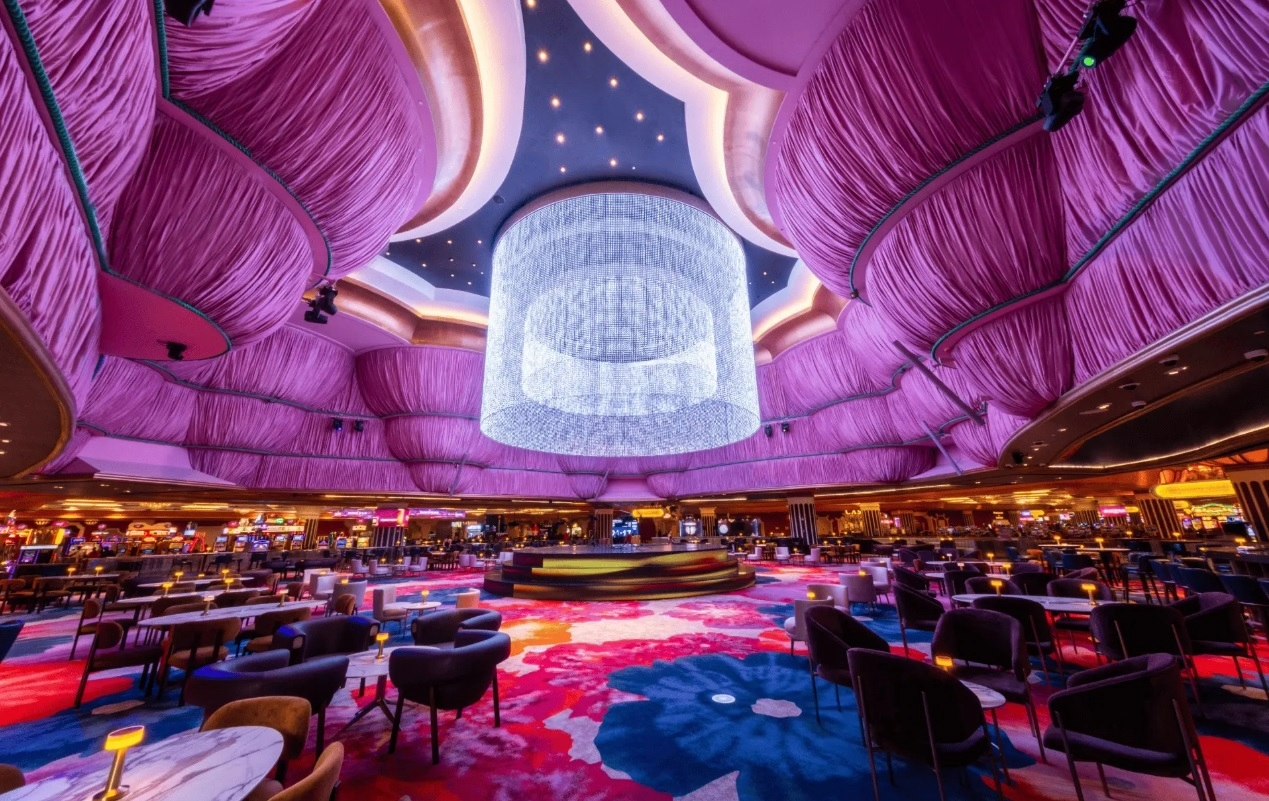
Luxury with All-In Amenities: The modern luxury hotel in Manila is a microcosm of urban living, offering a dizzying array of amenities designed to cater to every whim. These integrated resorts are prime examples of this trend, transforming a simple stay into an expansive experience. Solaire Resort and Casino, for instance, is a glittering testament to this philosophy.
Beyond its lavish accommodations, guests can indulge in high-stakes gaming, catch world-class performances at its theater, and explore an upscale mall – all within the same sprawling complex. Similarly, Okada Manila takes the concept of an integrated resort to another level. Its opulent hotel is complemented by a vibrant casino, the mesmerizing dancing fountain spectacle, and dynamic nightlife venues, and having one of the much-anticipated annual Christmas displays, making it a self-contained entertainment paradise. These developments represent a significant investment in the city’s tourism infrastructure. According to a report by Colliers Philippines in the first quarter of 2023, the total inventory of hotel rooms in Metro Manila was projected to increase by 8% year-on-year, primarily driven by the completion of new luxury and upscale hotels. This indicates a strong confidence in the high-end hospitality market and a continued demand for such comprehensive offerings.
Cutting Edge Modernity with a Tropical Twist
While embracing contemporary design, many of Manila’s new hotels cleverly infuse local flavor and natural inspiration, creating a unique sense of place. This often translates into “tropical oasis” themes, where lush greenery, natural materials, and abundant natural light evoke a serene escape from the urban bustle.
Solaire North, envisioned as a “tropical oasis,” exemplifies this approach. Architect Samantha Drummond of Habitus Group, who conceived the interior, masterfully integrated warm woods, natural textures, and sweeping artwork, drawing inspiration from the Philippines’ rich natural landscape. This thoughtful design blurs the lines between indoor and outdoor, creating a refreshing and uniquely Filipino luxury experience.
Smarter Design Emphasizing Comfort and Ease
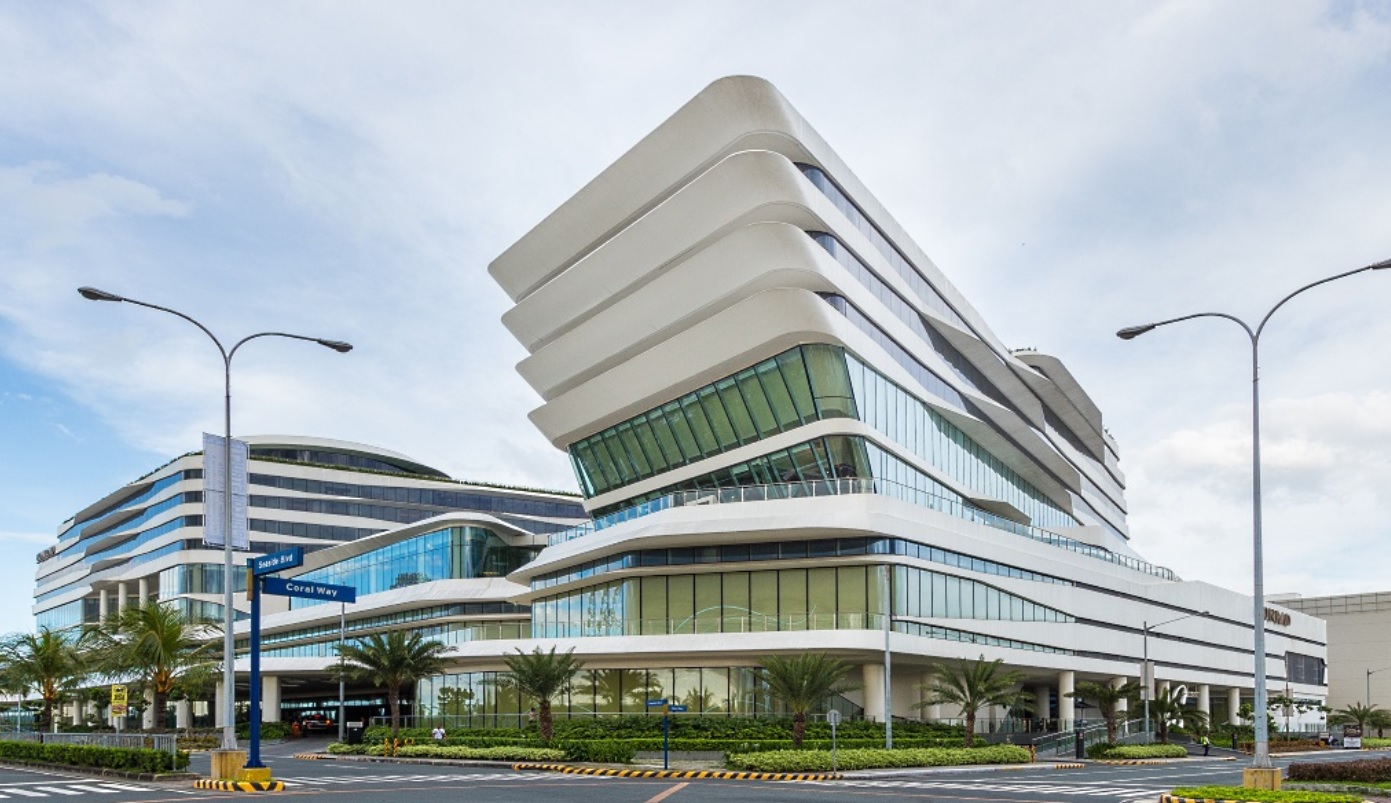
Modern luxury is increasingly defined by intuitive design that prioritizes comfort, convenience, and seamless technology. Hotels are now meticulously crafted to enhance the guest experience through thoughtful layouts and intelligent features. Conrad Manila offers a prime example of this smart design philosophy.
Its strategic location provides breathtaking panoramic views of Manila Bay from its lounge and select rooms, instantly connecting guests with the city’s iconic waterfront. Beyond the aesthetics, each room is equipped with intuitive features that anticipate guest needs, from advanced climate control systems to integrated entertainment hubs, all designed to ensure a stay of unparalleled ease and relaxation.
Design with Storytelling
Beyond mere aesthetics, many of Manila’s contemporary hotels are embracing a narrative-driven design approach, where every element contributes to a cohesive story or captures the essence of a particular experience. This allows guests to connect with the hotel on a deeper, more meaningful level.
Hotel Okura Manila in Newport City masterfully employs this concept, aiming to recreate the renowned Japanese hospitality experience through every nuance of its design. From the serene, minimalist interiors to the meticulous attention to detail in its services, the hotel’s design ethos is a direct reflection of Japanese cultural values, offering an authentic and immersive journey into the heart of Japan within a bustling Philippine metropolis. The hotel is also home to The Sora – one of Manila’s elegant rooftop bars with impeccable design.
The Marriage of Tradition and Modernity
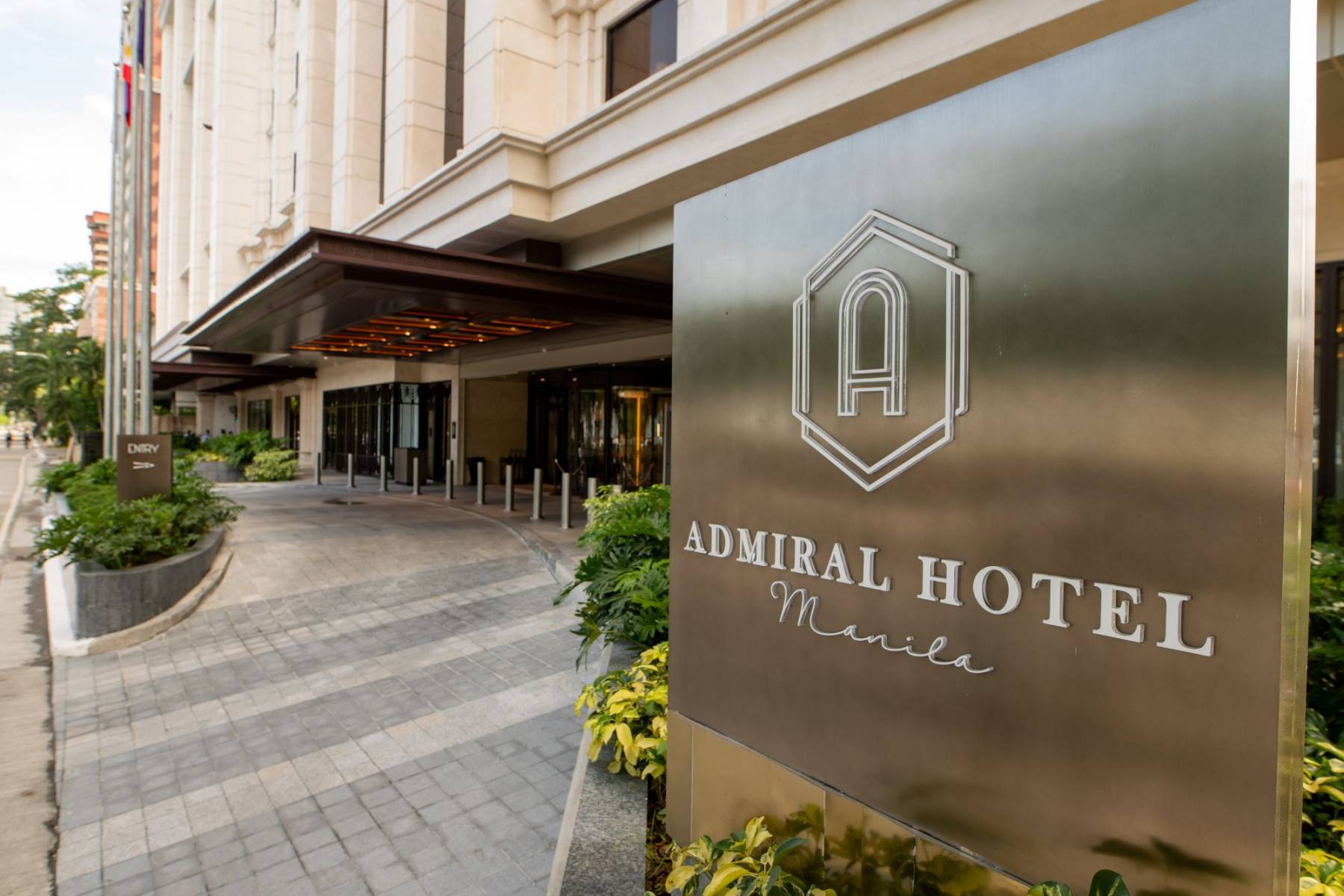
Perhaps one of the most compelling aspects of modern Manila hotel architecture is its ability to reconcile new ideas with inspirations from history, creating a harmonious blend of past and present. This approach acknowledges the city’s rich heritage while firmly looking towards the future.
The Admiral Hotel along Roxas Boulevard is a magnificent illustration of this marriage. Drawing inspiration from Manila’s vibrant past and its iconic art deco era, the hotel meticulously restores historical elements while integrating contemporary comforts and design sensibilities.
The result is a truly distinctive property that celebrates the city’s narrative while offering a luxurious modern experience. Similarly, Discovery Primea in one of the metro’s fastest growing cites, Makati, beautifully blends diverse influences. Its Mediterranean-Japanese touch creates a sophisticated and unique aesthetic, where the warmth of Mediterranean design meets the refined simplicity of Japanese aesthetics, all within a contemporary luxury framework.
Manila’s Architectural Legacy Continues to Evolve
The top-of-the-line hotels in Manila are not just structures; they are statements. They are vibrant testaments to the city’s dynamic spirit, constantly pushing the boundaries of architectural innovation and guest experience.
By continuing to collaborate with visionary architects and designers, these establishments are crafting distinctive accommodations that redefine luxury in imaginative and inspiring ways. From integrated resorts that offer a world within themselves to boutique hotels that tell compelling stories, Manila’s modern hotel architecture is a captivating journey into the future of hospitality, all while acknowledging the rich tapestry of its past.
–
Featured Image by The Penninsula Hotels