



In the Philippines, 80% of businesses are family-run, mostly having begun as small shops or modest ventures. Over decades, these businesses grew into national brands, creating empires that are passed on to the next generations. But while these businesses changed over the years, the values that built them stayed the same.
Assets and titles are not the only things that are handed over when a founder passes a company to the next generation. Along with these are family values, work habits, standards, and life lessons that embody the very identity of the company. The family’s beginnings shape these values, the business’s founding, the obstacles it faces, and the choices made to keep the business alive.
The new generation of leaders carries these lessons forward, applying them in a modern world while holding on to the principles that worked in the past. We examine these crucial lessons, learning from the country’s very best and most successful family-run enterprises.
Put in The Difficult Work

Never assume superiority; meet the customers and clients where they are
Robina Gokongwei-Pe, of Robinsons Retail Holdings, Inc., remembers how her father, John Gokongwei Jr., made her work in the Robinsons Department Store warehouse right after college. It wasn’t the glamorous job most people would expect from an heir, but it taught her how the business worked at its most basic level. She learned how products moved, how staff solved problems, and how customers behaved. Without that, she believes she wouldn’t have the same understanding as a leader.
Hans Sy, CEO of SM Prime Holdings, one of the largest real estate developers in the Philippines, had a similar experience with his father, Henry Sy. On his first day, he arrived at work dressed to the nines for an expected executive role. Instead, his father told him to throw out the trash. Soon after, he was assigned as a cash clerk. These jobs taught him that leadership isn’t about avoiding hard work, but it’s about understanding it.
Both stories carry the same truth: you can’t lead well if you don’t know what it takes to do the most minor tasks in your company. Understanding how the company worked from the ground up allowed these new leaders to truly grasp the company inside out.
Invest in The Right People
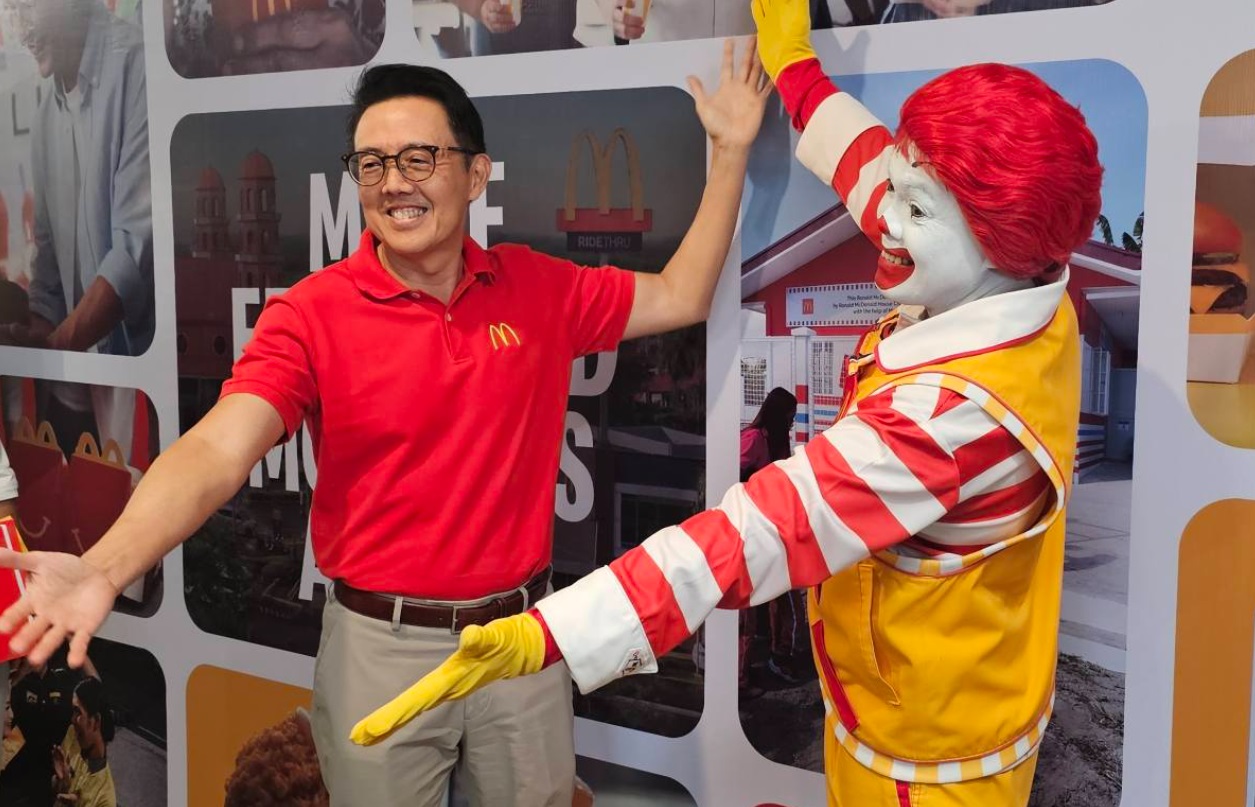
Knowing who to train and trust is essential in building the business
Kenneth Yang, son of George Yang of McDonald’s Philippines, learned early on that employees were the backbone of the business. His father made it a point to hire staff directly and provide them with world-class training. This investment in people kept standards high and the company culture consistent.
In another industry, this time involving franchises, Joseph Gandionco of Julie’s Bakeshop revealed their company’s emphasis on building long-term relationships with franchise partners. Some of these partners have been with them for over two decades, showing that loyalty doesn’t just happen by accident; it’s the result of support, trust, and fairness in business.
For both of these leaders, success isn’t only about sales and profits. It’s about creating a workplace where the right people can grow alongside the company, investing time and effort in those who value the company just as they do.
Related article: How To Work with Filipino Partners for Your Business
Remember Core Values When You Innovate

Growth may be suitable for businesses, but maintaining core values is what sets great family businesses apart.
Adrian Ramos, CEO of National Bookstore, saw how expansion made it harder to keep the customer-focused touch that his grandmother, founder Socorro Ramos, had insisted on. As the company grew, it became impossible to be hands-on in every detail, eventually losing the personal touch his grandmother was known for. But instead of letting that connection fade, Ramos brought back the entrepreneurial spirit that had driven the business from the start: attention to customers, care in store presentation, and pride in service.
For many companies, innovations in technology and modern businesses can easily shift company values in a different direction, inevitably losing the very essence that made it grow in the first place. Though adapting to the times is essential for businesses to stay alive and grow, corporate values remain as the backbone of most companies, as evident in Ramos’s leadership.
The message is clear: innovation works best when it builds on, not replaces, the values that made the business strong.
Stick to The Heart of the Mission

Sometimes it’s best to stick to the standards and knowledge that have always worked for the business over the years.
Amado Fores, son of renowned chef Margarita Forés, continues her vision to make the world more beautiful and delicious through food. Even with new ideas and opportunities, he says her legacy will never be compromised. The mission remains the same, because it’s the foundation of everything they do.
This focus offers a steady path forward. In a fast-changing world, a clear mission helps a company decide what to keep, what to change, and what to let go. Remembering and maintaining the very mission and vision of companies not only enables them to survive, but also to thrive in the ever-changing competitive world of business.
It’s easy to assume that these lessons only apply to prominent, wealthy families. But they work for any business, no matter the size.
The Sy family’s motto, “stay humble, stay hungry,” is something any entrepreneur can live by. Humility keeps you open to learning; hunger drives you to keep improving.
The values of humility, trust, and a clear mission are not about privilege. They are about discipline, respect, and the willingness to work hard.
Rooted in Values, Built for the Future
All in all, the new generation of leaders may embrace technology and explore fresh ideas, but they continue to carry the same lessons their parents and grandparents lived by. These are lessons learned not in boardrooms, but in warehouses, cash registers, and shop floors. They are reminders that no matter how big a business becomes, its strength comes from the principles it started with.
For many of these new leaders, the most significant inheritance isn’t assets and titles, it’s the core values that allow them to stay humble, work hard, and lead with purpose. Those are lessons any business owner can take to heart, and they are worth passing down to the next generation.
Looking at these families, one thing stands out: success lasts when it is rooted in values.
Read more of our Work & Business articles for more interesting topics.
–
Featured Image by ForeverVacation