



Looking at the Philippine map, Ilocos Norte seems remote. Sitting at the northern edge of Luzon and skimming the West Philippine Sea, the region, however, offers so much more than just a long drive. There’s something deeply satisfying about getting in your car, pointing north, and discovering scenic routes and detours unseen anywhere else in the country. Because when it comes to Ilocos Norte, the drive matters as much as the destination
This guide focuses on routes and stops that turn a simple drive into a memorable journey. These places go beyond the usual postcard stops, while still honoring the landmarks that define the province. Think of this as an invitation to explore Ilocos Norte with intention, windows down, and time on your side.
Currimao Coastal Road and the Currilights Experience
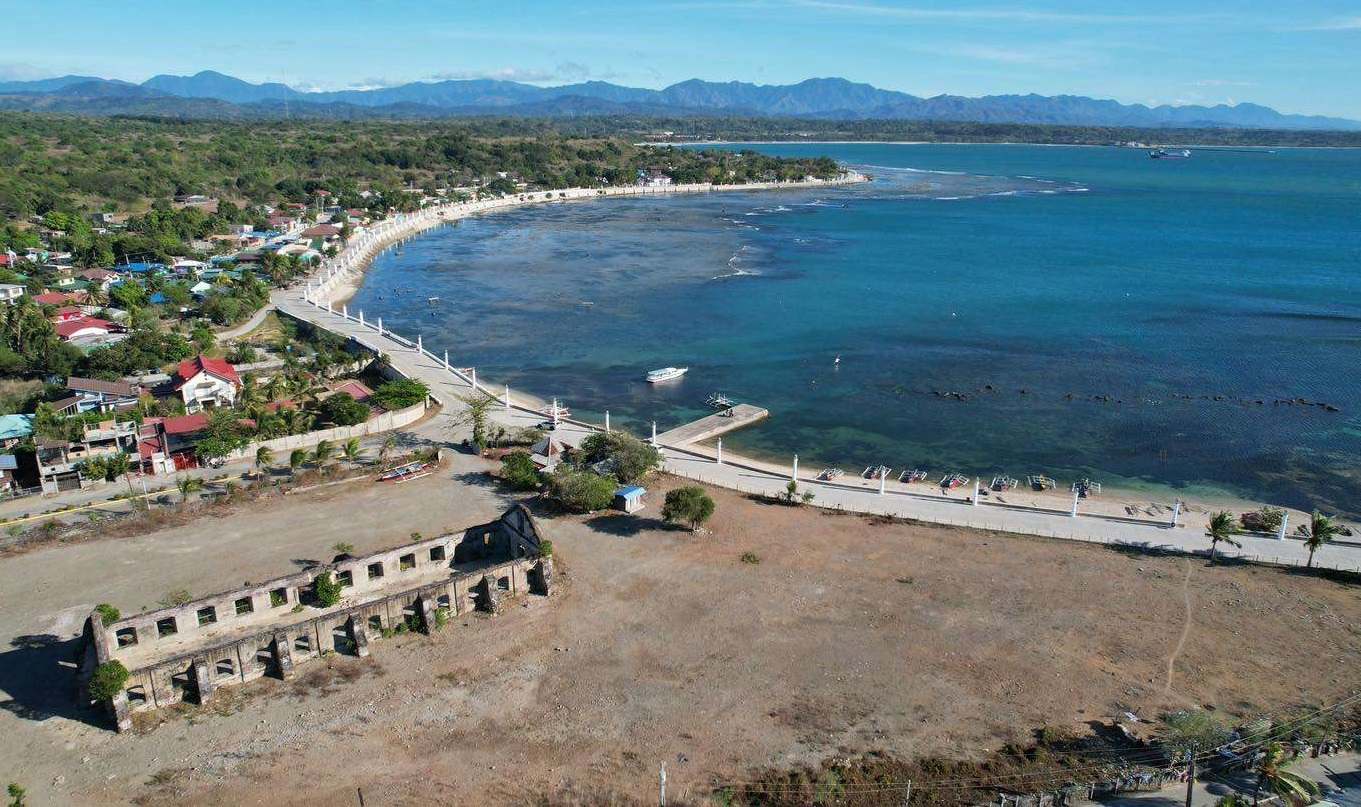
The Currimao Coastal Road makes an ideal opening chapter. This stretch hugs the western coastline, offering uninterrupted views of the sea and sky. It feels unhurried, even on weekends. Fishing villages line the route, with small boats pulled ashore and locals going about their day.
Late afternoon is the sweet spot. The light softens, the water turns metallic, and the drive feels almost cinematic. As evening comes in, the Currilights installation adds a gentle sense of play. Softly lit structures brighten the roadside without overpowering the natural setting. It is a simple stop, but a charming one, especially if you want to ease into the trip’s rhythm.
Dumalneg: Ar-aroo Picnic Grove and Darna Falls
From Laoag, Dumalneg is about 73 kilometers northeast, offering a complete change of scenery. Tucked away and refreshingly quiet, the road narrows as you approach, with greenery closing in and turning the air cooler.
Aaroo Picnic Grove and nearby Darna Falls anchor the experience. Expect expansive views of forested slopes and access to the clear, cold waters of the Bolo River. The setting encourages long pauses rather than quick photo stops. Families picnic by the riverbanks, while travelers wade into the water to cool off.
The municipal government manages the site in partnership with the Isneg tribal community. Entrance fees may apply and can change over time, so it is best to bring small bills. What you get in return is a glimpse of Ilocos Norte’s inland character, one that feels grounded and quietly generous.
Ilocos Norte Sand Dunes of Paoay and Laoag
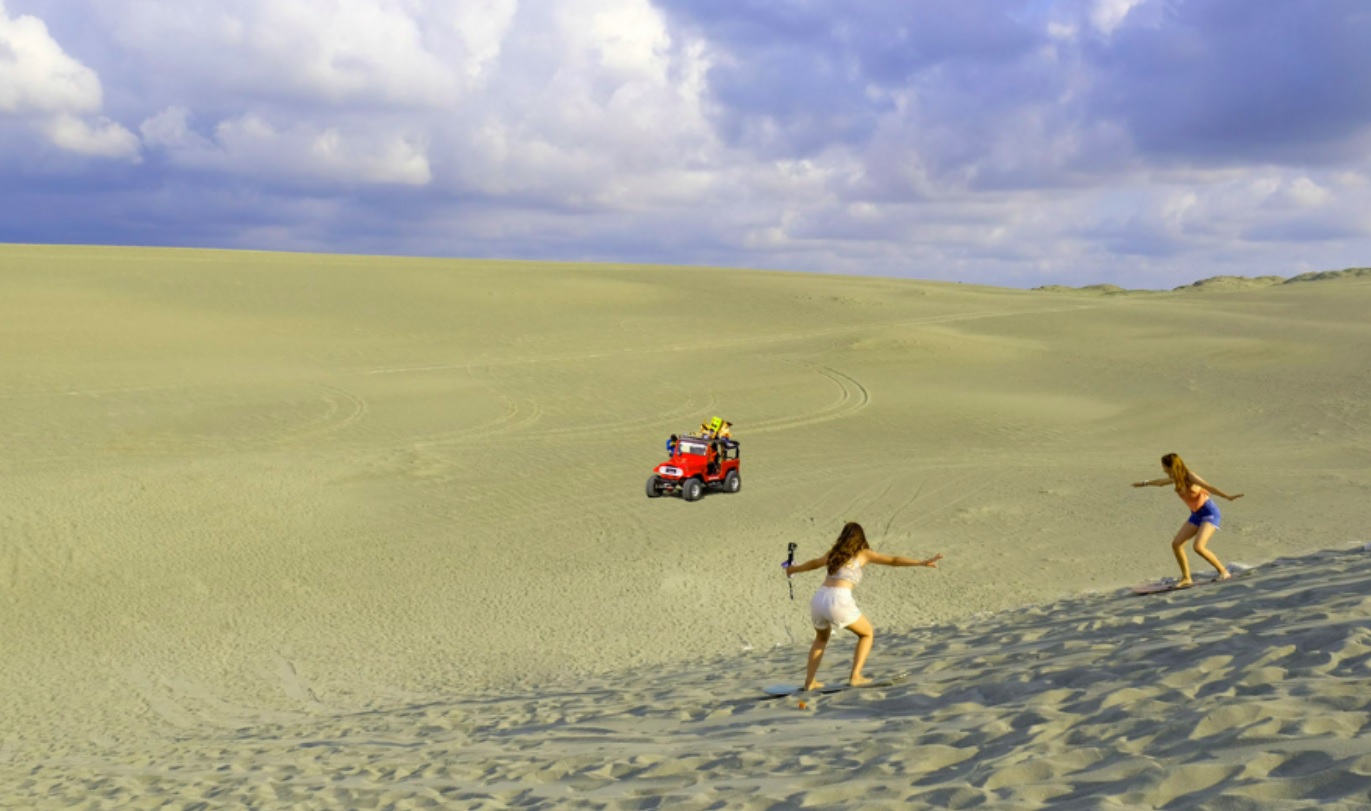
No road trip here feels complete without a stop at the dunes. Stretching across parts of Paoay and Laoag, this landscape brings a burst of energy into the journey. The terrain feels almost otherworldly, especially under a bright sky.
Adventure seekers can book 4×4 rides that skim across ridges and slopes. Sandboarding adds another layer of fun, even for beginners. The experience contrasts sharply with the calm of the coast or the stillness of the mountains.
Bangui Windmills
The Bangui Windmills remain one of the must-visit destinations in the Philippines, and for good reason. Seeing the turbines rise along the shoreline is a jaw-dropping sight, with the approach alone setting the mood. The road runs parallel to the sea, and the scale of the structures becomes clear with every kilometer.
Once you get closer, park and revel in the wind and the sound of waves hitting the shore. At sunset, the view is even more intense, with deeper colors in the sky that frame the windmills’ silhouette.
While iconic, Bangui still feels connected to everyday life. Fishermen pass by, children play near the shore, and the scene feels lived in, not staged.
The Ilocos Norte – Abra Road via Nueva Era
Some roads are destinations in themselves, and the Ilocos Norte – Abra Road via Nueva Era is one of them. This route appeals to drivers who enjoy the act of driving as much as arriving.
Rolling mountain roads, forested slopes, and elevation changes bring shifting perspectives. One moment, you are looking down into valleys. Next, you are surrounded by trees and mist.
This road suits seasoned drivers who are comfortable with curves and climbs. In return, it offers a slow, quiet rhythm, serving as a reminder that Ilocos Norte rewards those willing to explore beyond the obvious.
Mount Lammin in Piddig and Carasi
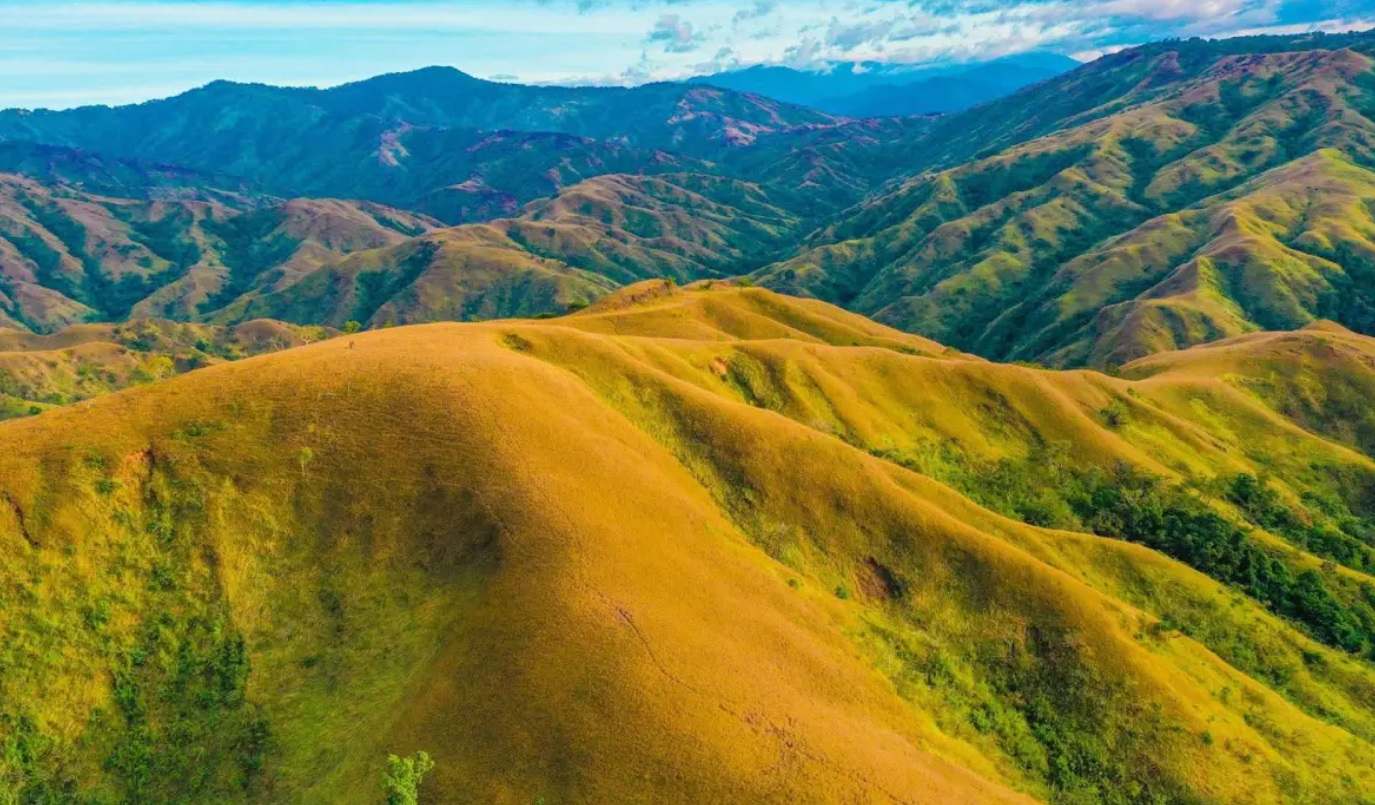
Best for travelers who appreciate contrasts, Mount Lammin is a rugged highland presence that sits between Piddig and Carasi. The terrain here feels unpolished and raw, commanding a breathtaking visual counterpoint to the scenic lines of the coast. The views stretch wide, especially on clear days.
Access varies by route and vehicle, so planning matters. Even a short stop along the road provides enough perspective to appreciate how diverse the province truly is.
Abang Falls of Bangui
A refreshing detour not far from Bangui’s main roads, Abang Falls is a short walk, making it accessible. Once you get there, you’ll discover a beautiful, calm waterfall with water cascading over rock formations, the sound of the rushing water drawing you in. This is a good place to stretch your legs, cool off, and reset before getting back behind the wheel.
Photographers will find plenty to work with, but the real appeal lies in the pause it offers. It is a reminder that not all memorable stops require long drives or detailed planning.
Caunayan Bay in Pagudpud
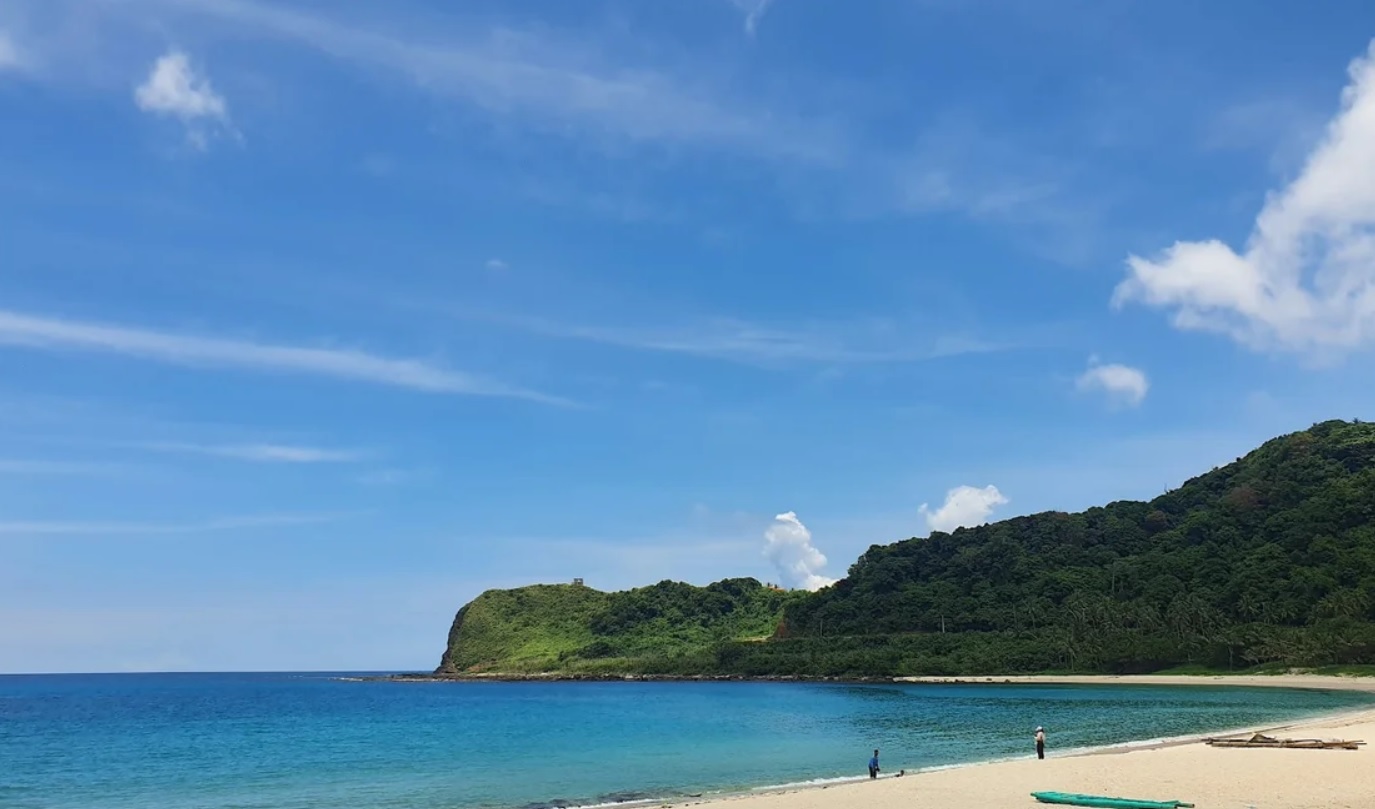
Pagudpud often comes to mind for its sweeping beaches and famous viewpoints. Caunayan Bay offers something quieter. Tucked away from the busier spots, it feels more personal and relaxed.
The bay suits unstructured time. Lay out a picnic, watch the tide shift, or simply sit and take in the view. Sunrise and sunset work equally well here, each offering a different mood.
This stop highlights Pagudpud’s range. Beyond the landmarks, there are corners like Caunayan Bay that reward travelers who explore with patience.
Upper Dam of Vintar
Before looping back toward the city, consider a stop at the Upper Dam of Vintar. It’s not as popular as the beaches of Pagudpud or the Bangui windmills, yet the view surprises many first-time visitors.
Water stretches across open space, framed by hills and sky. The setting feels reflective, a natural place to review the journey so far. This stop works well near the end of a trip, offering a fitting closure to an unforgettable journey in one of the country’s northernmost places.
From Manila, a plane ride to Laoag is a short hour’s travel, but if you’re not catching a deadline and slow travel is what you’re looking for, then a drive to the region works best. Whether you’re heading for Laoag or Pagudpud, there’s something worth exploring that tells you a broader story of Ilocos Norte.
Where the Road Becomes the Experience
Weaving together the mountains, coast, and inland escapes, a road trip lets you explore slowly. Drives feel purposeful and never rushed, with detours becoming highlights.
The best way to experience this province is to curate your own route. Choose the stops that speak to you and leave room for unexpected pauses. In Ilocos Norte, the road does more than take you from place to place. It invites you to stay present, engaged, and deeply connected to the landscape.
–
Featured Image by Guide to the Philippines